
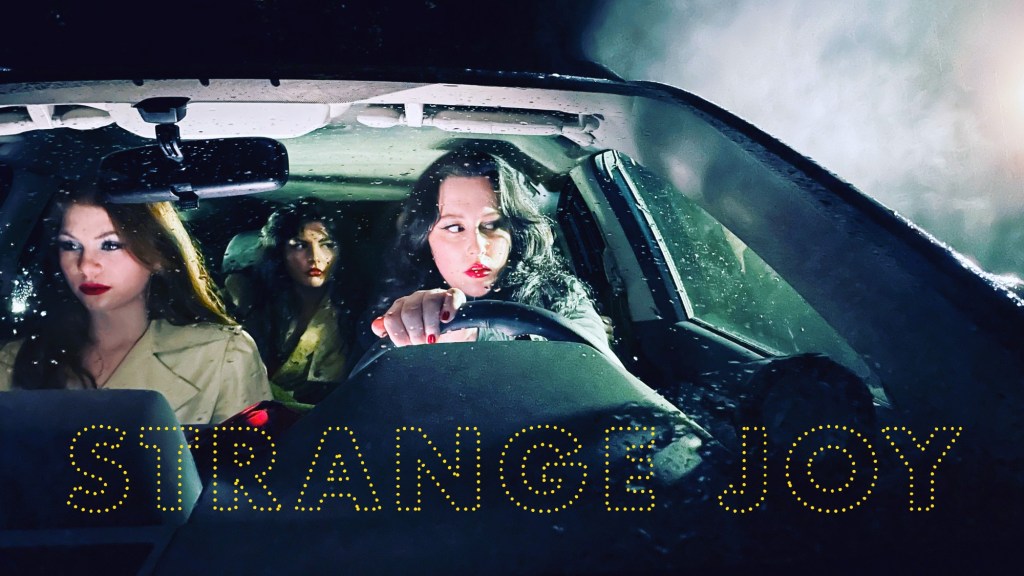
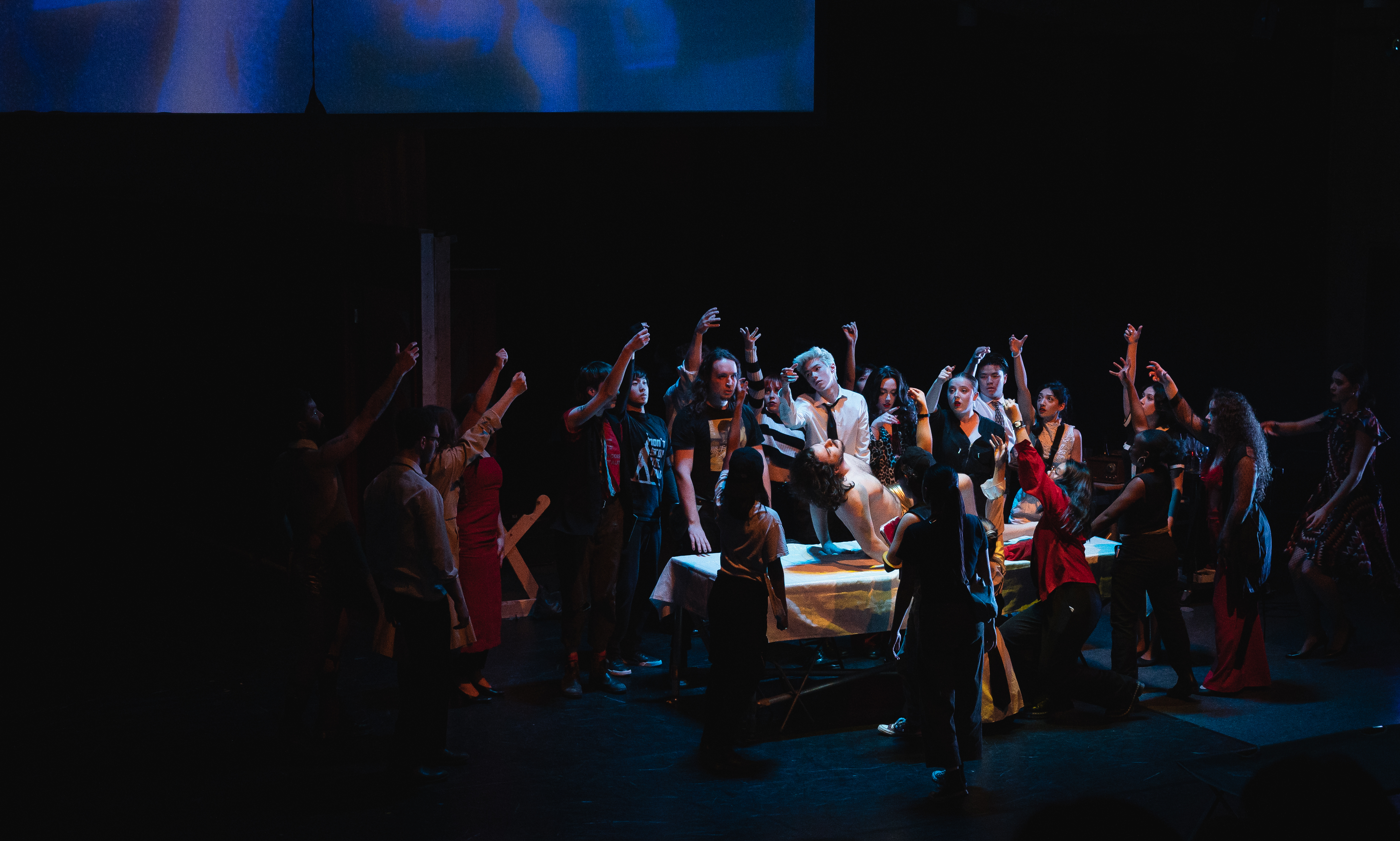
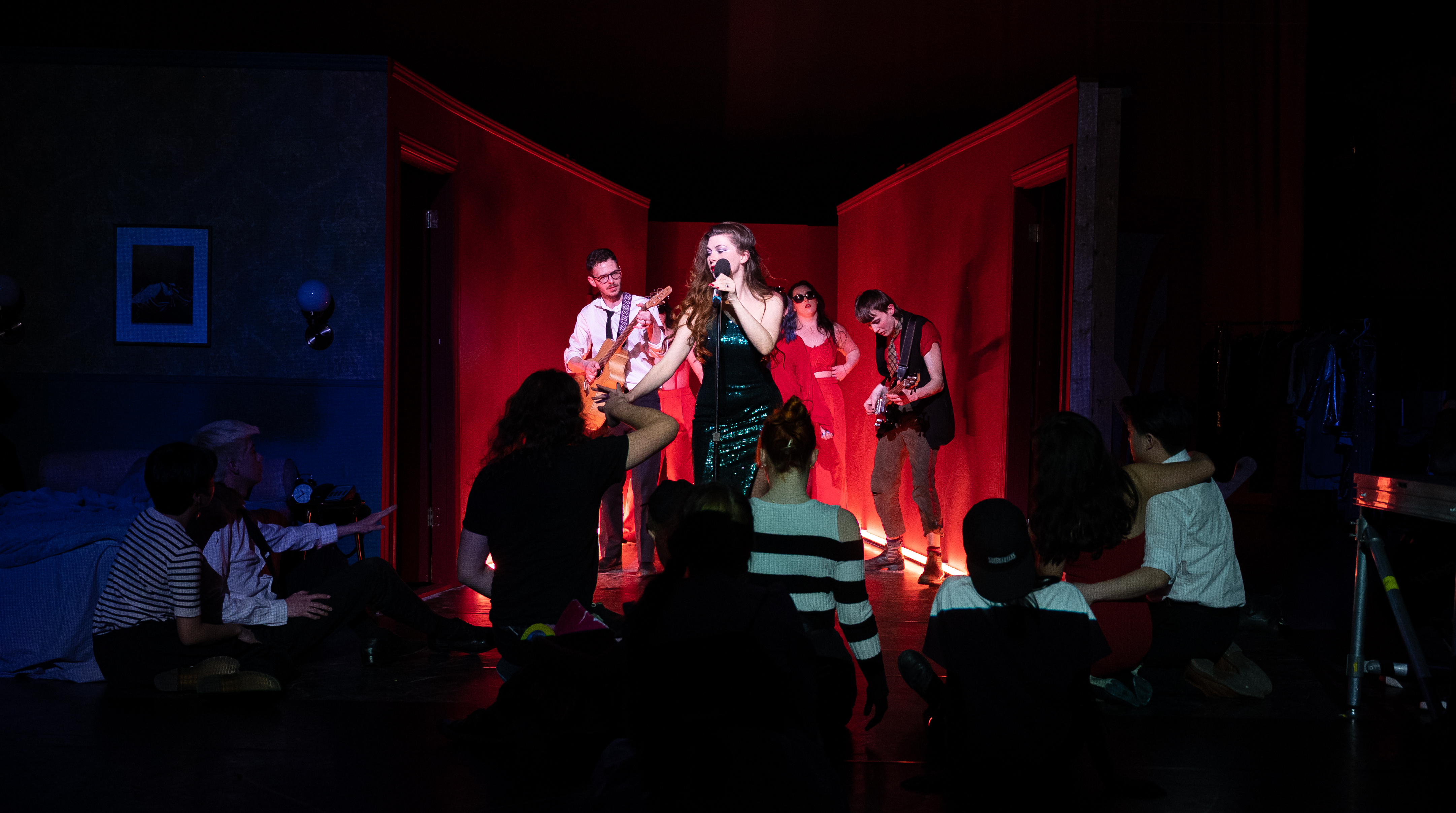
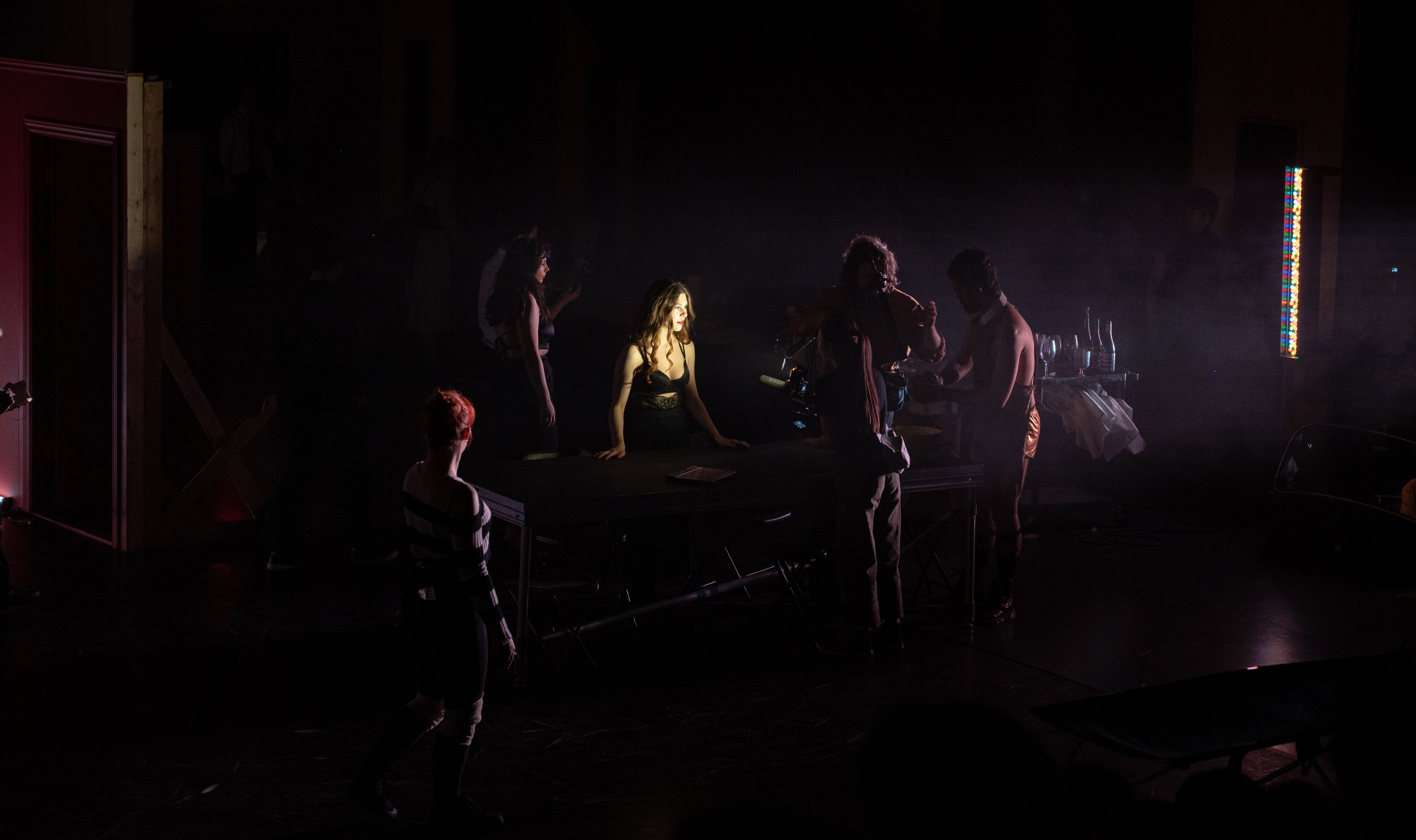
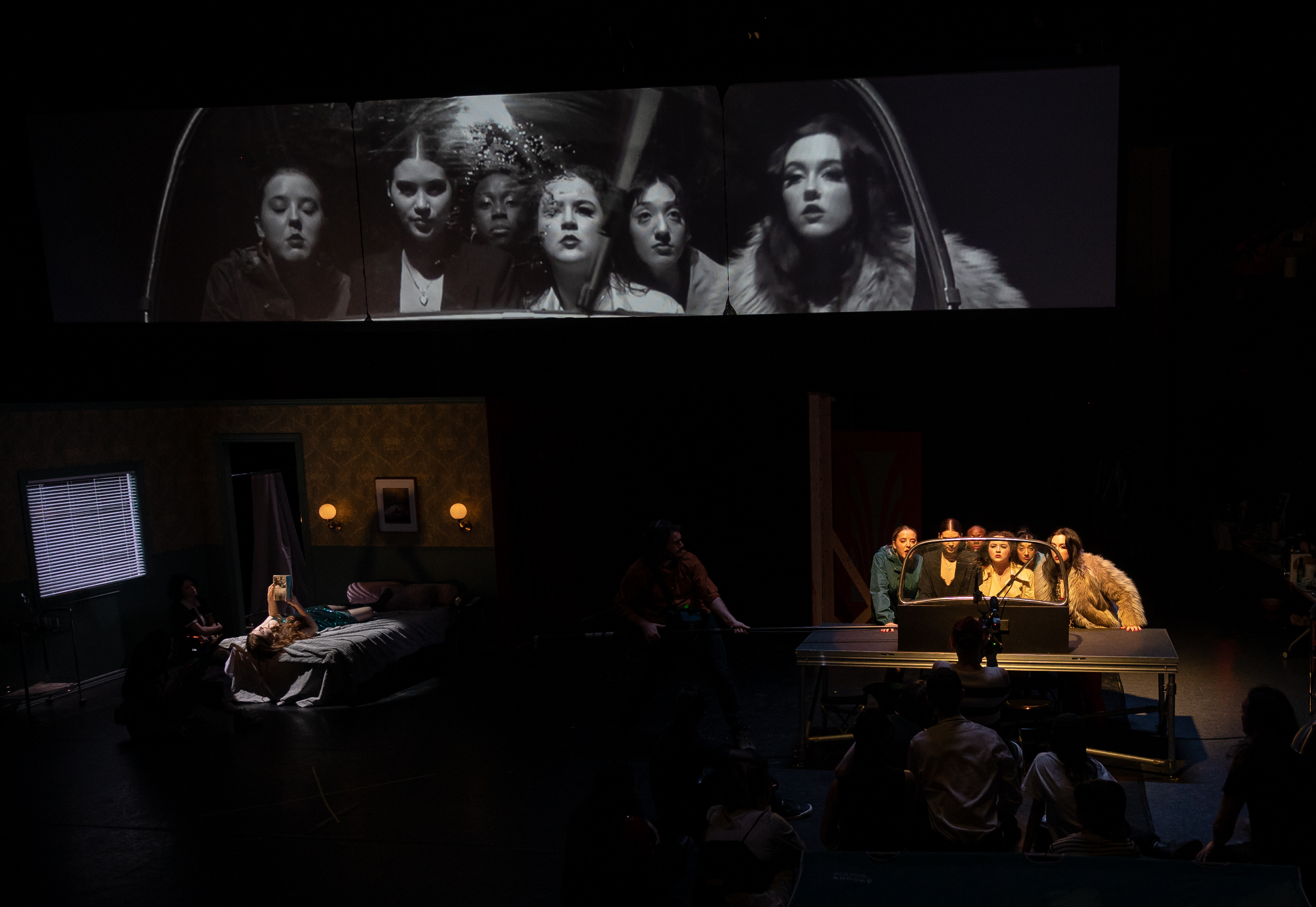
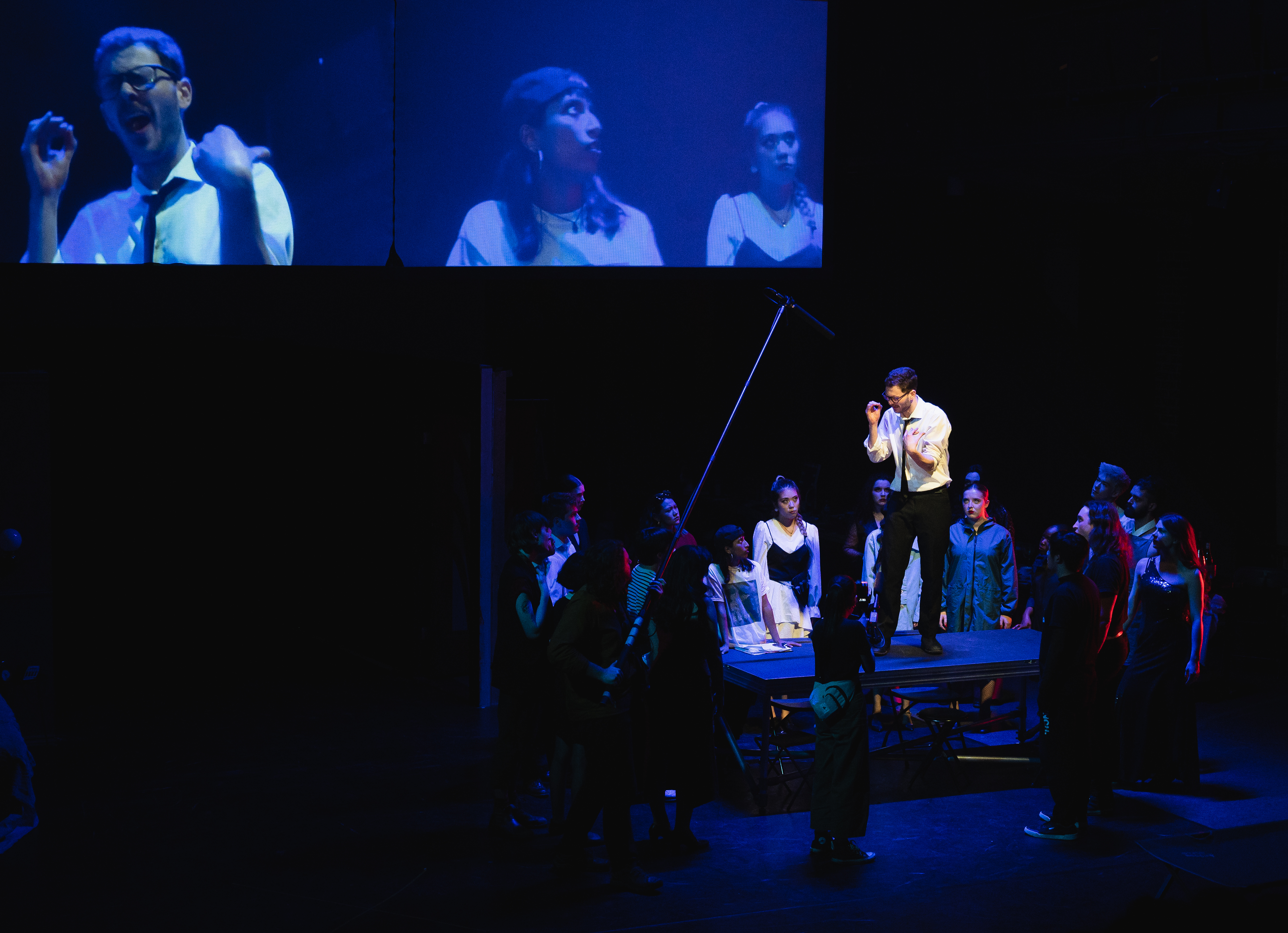
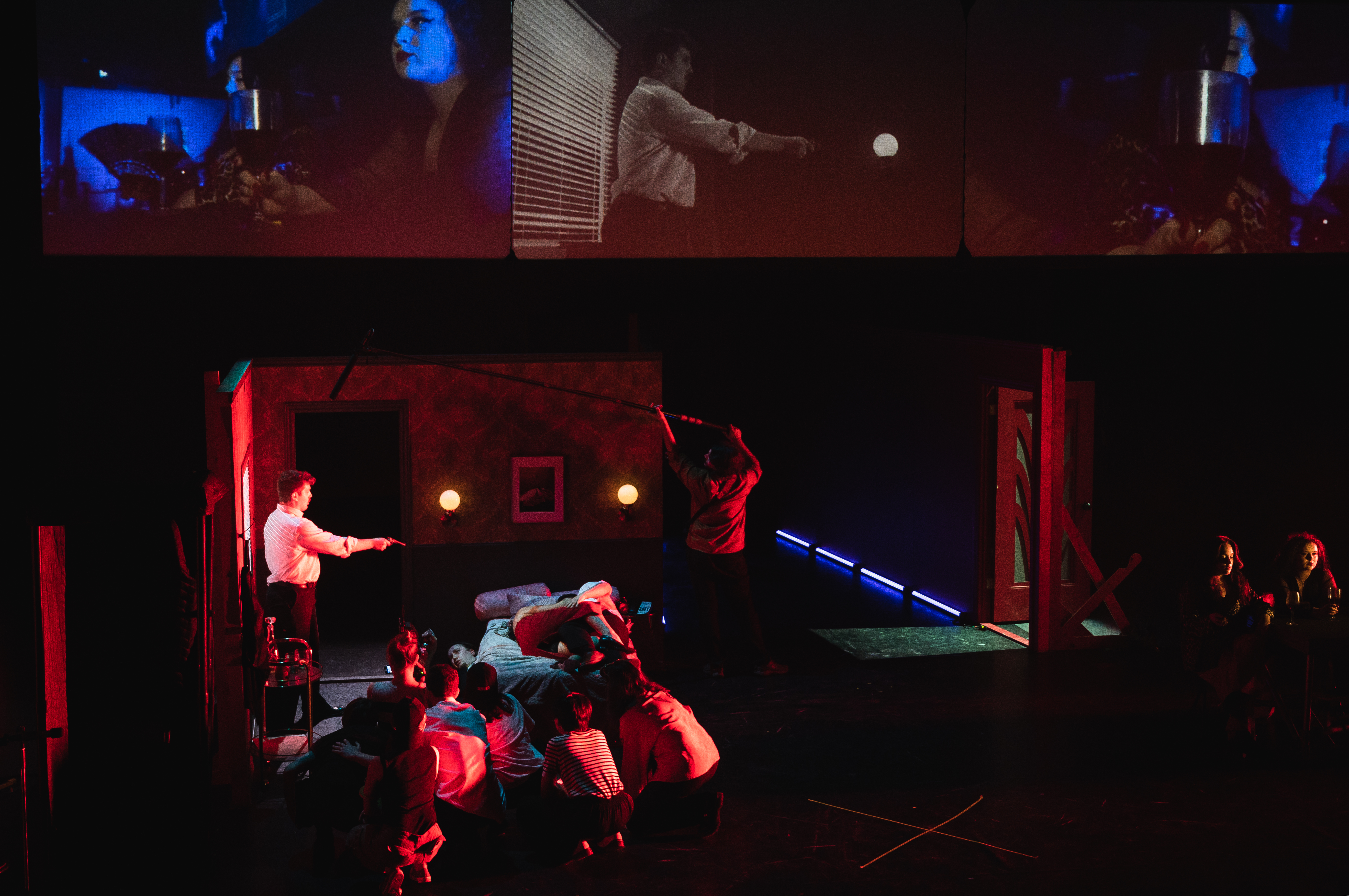
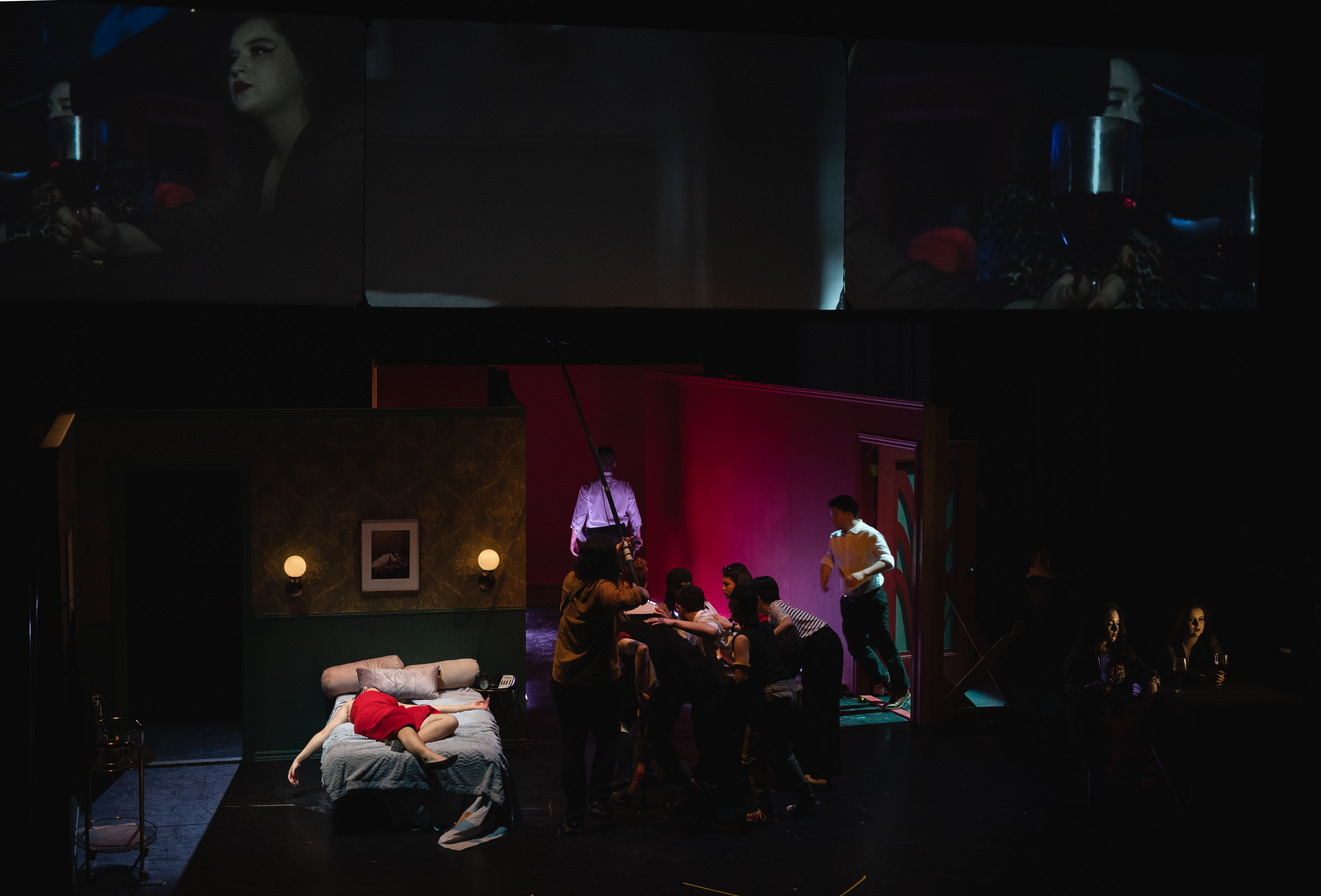
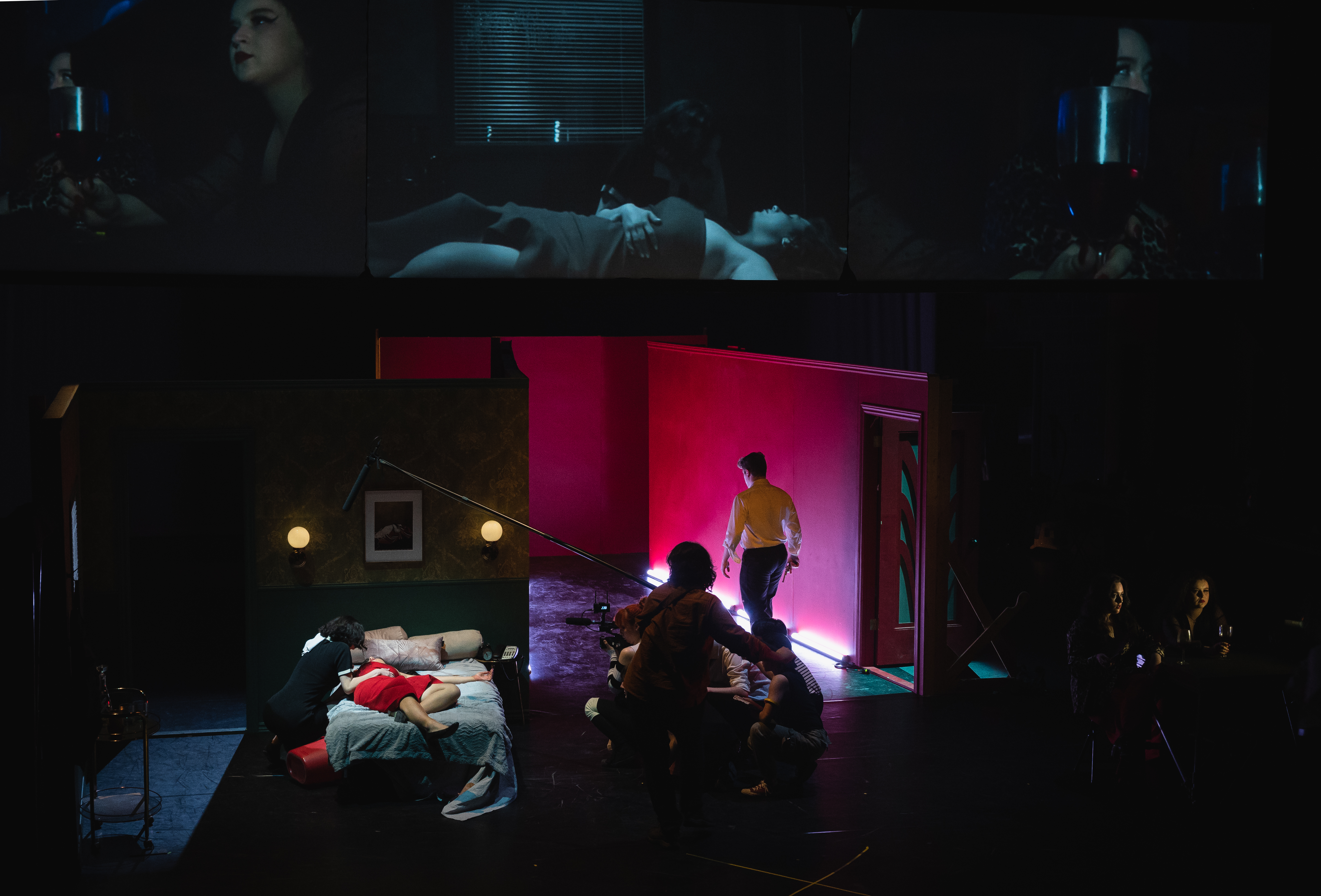
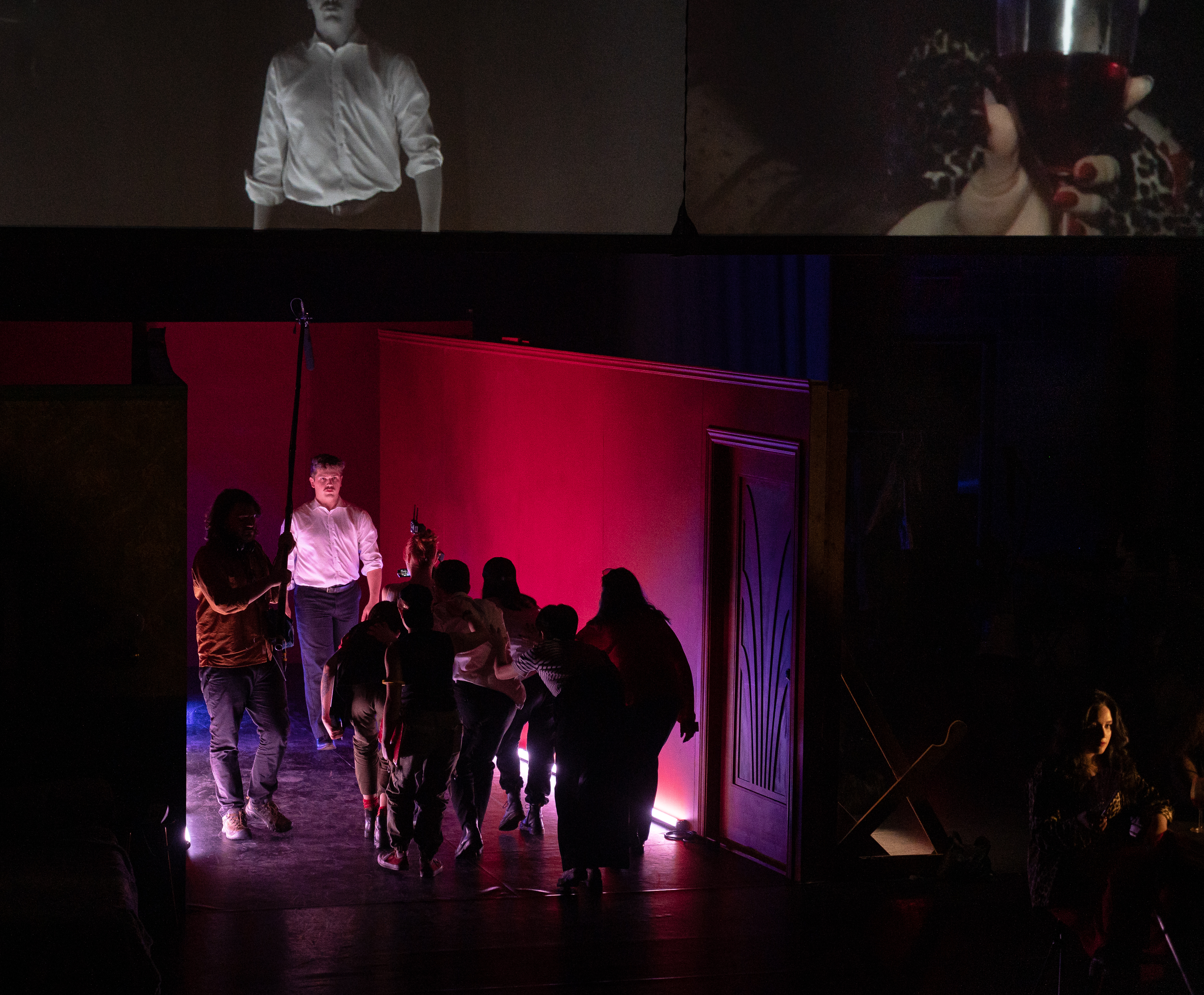
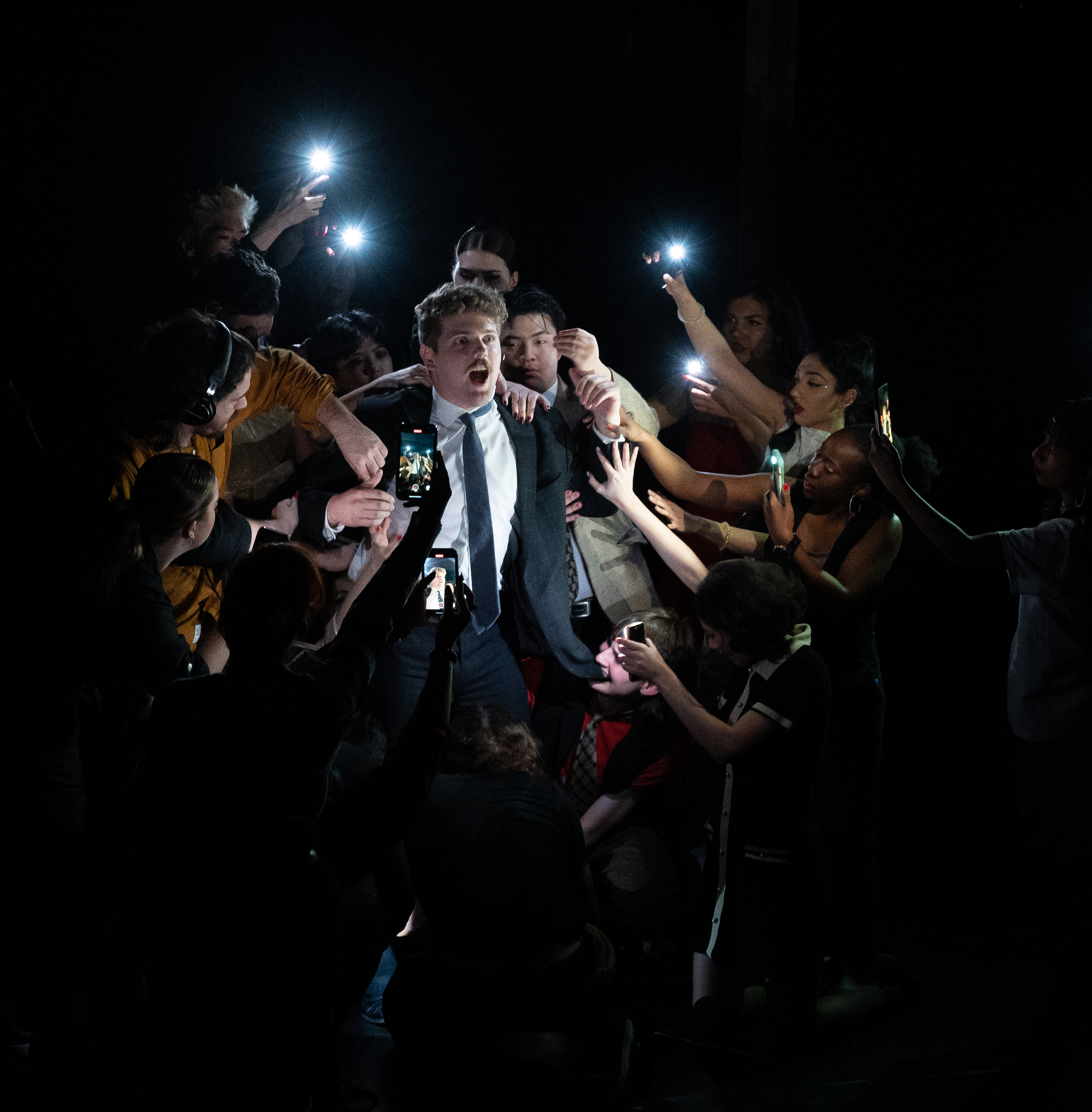
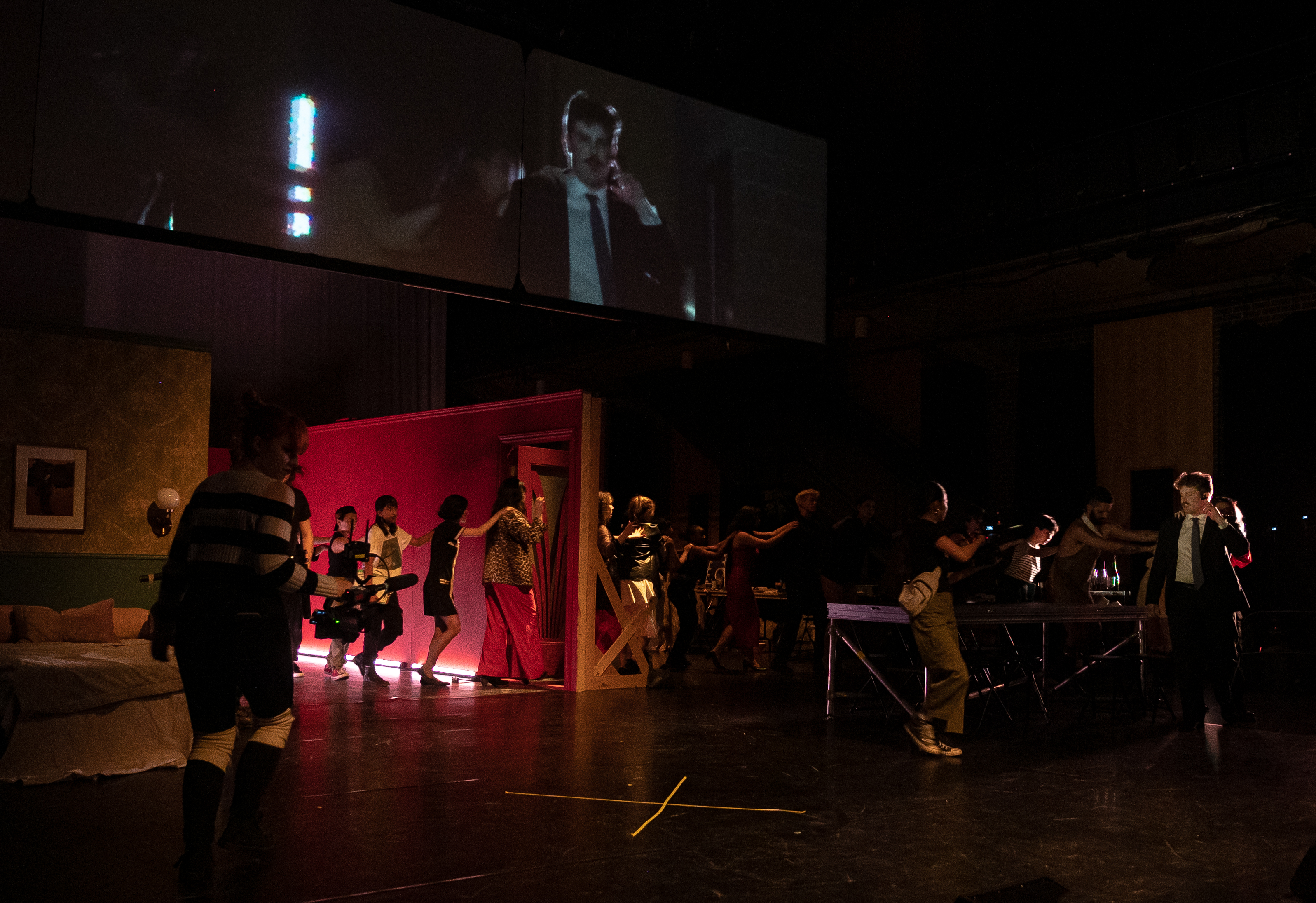
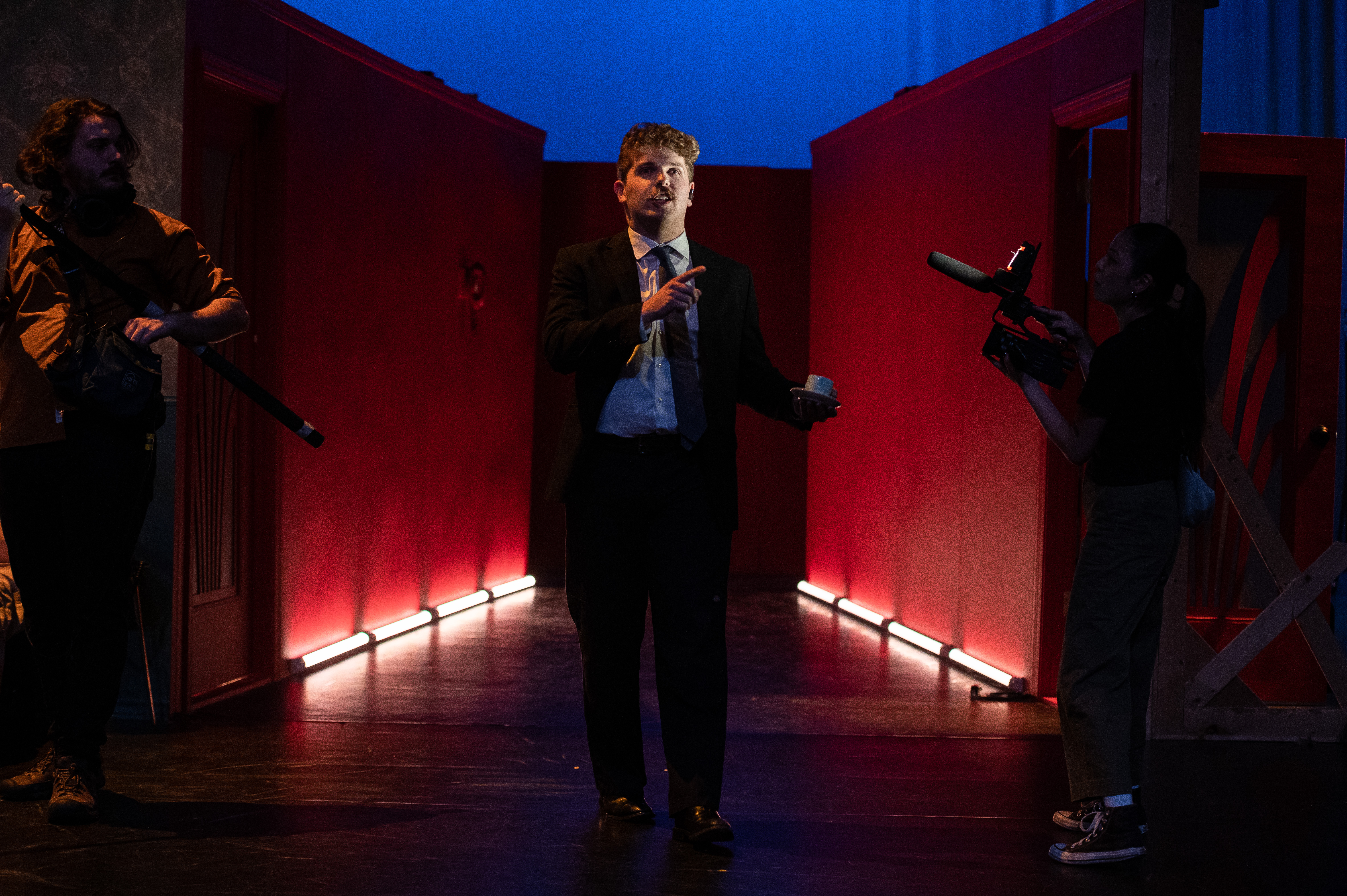
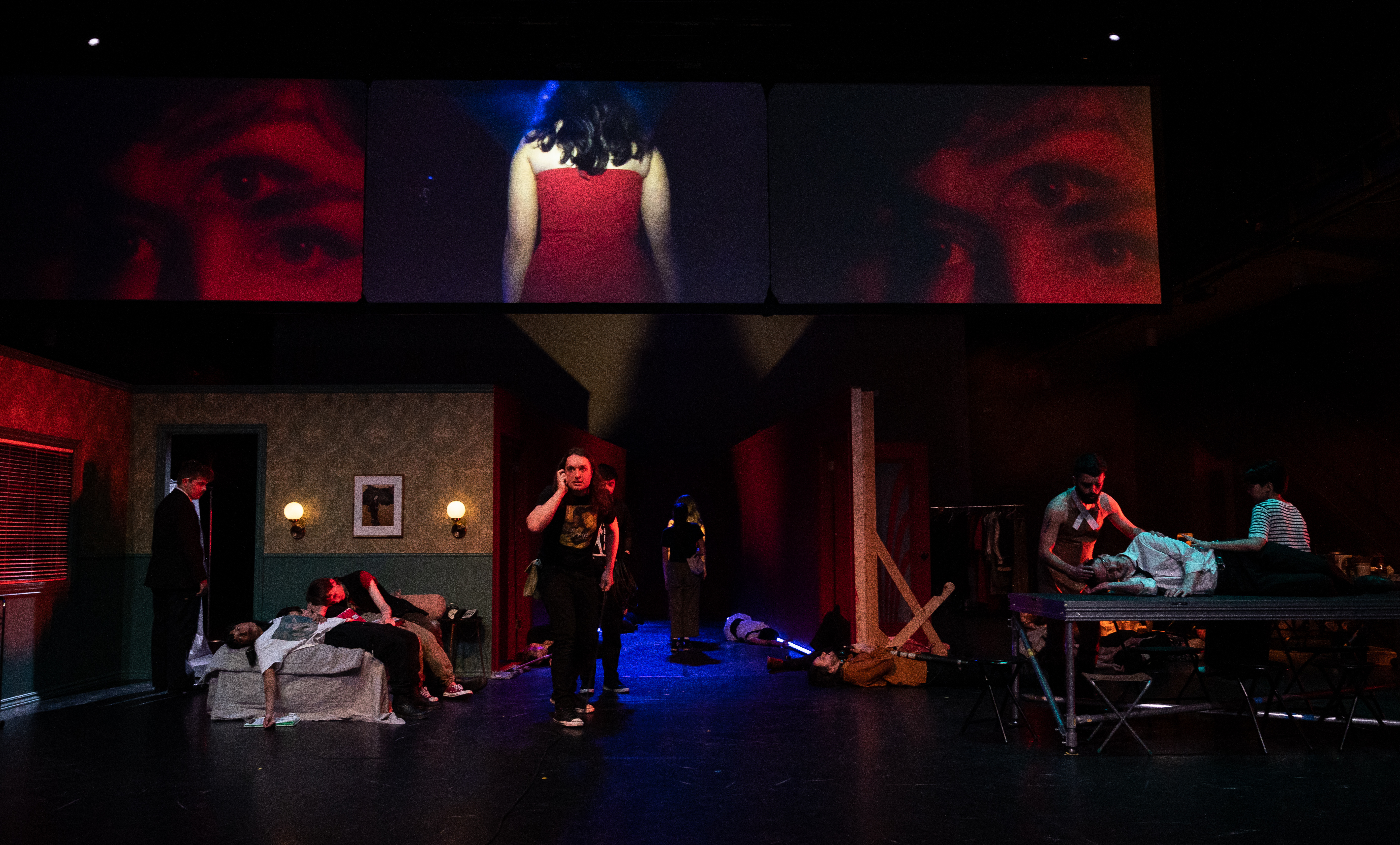
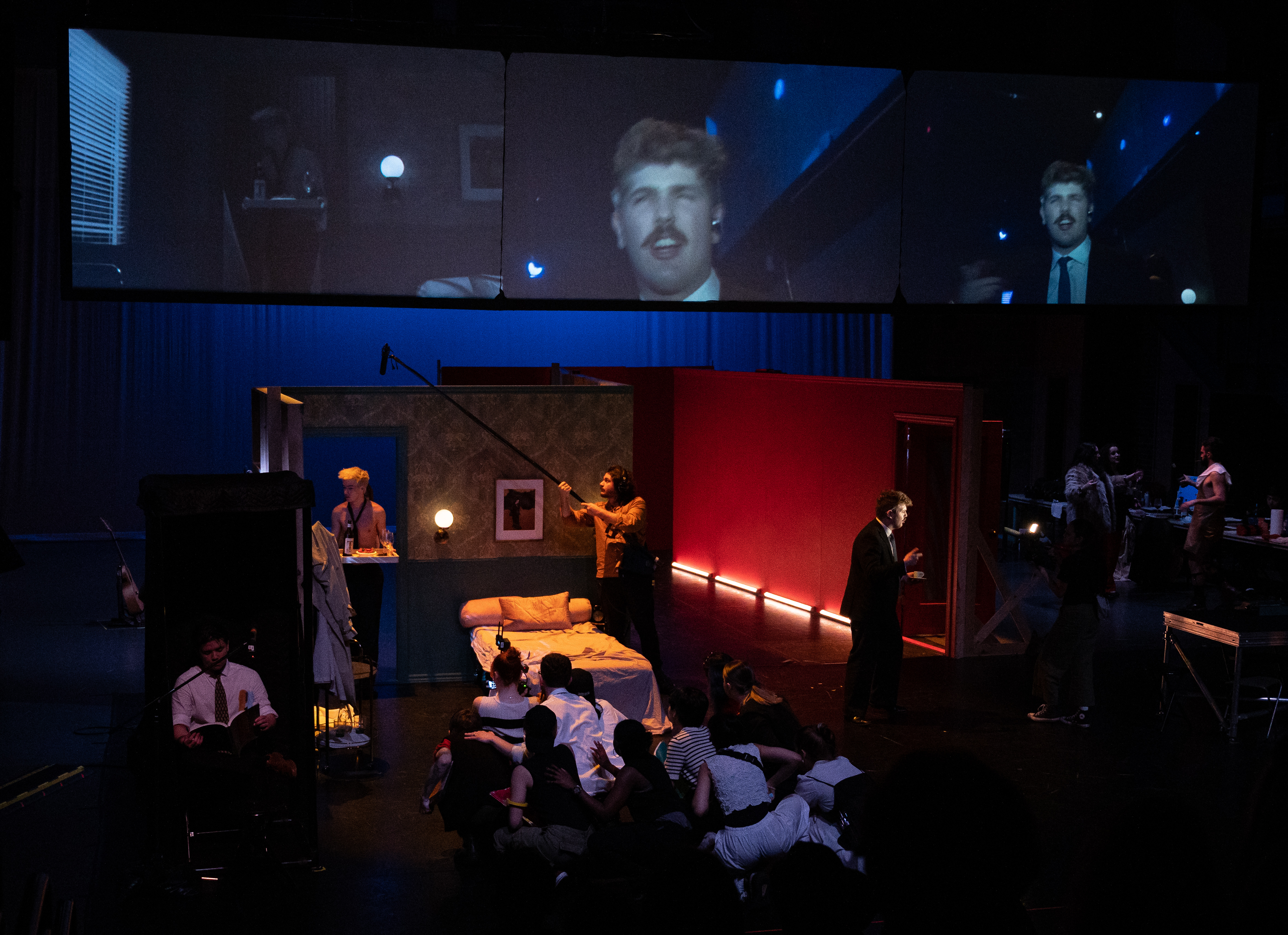
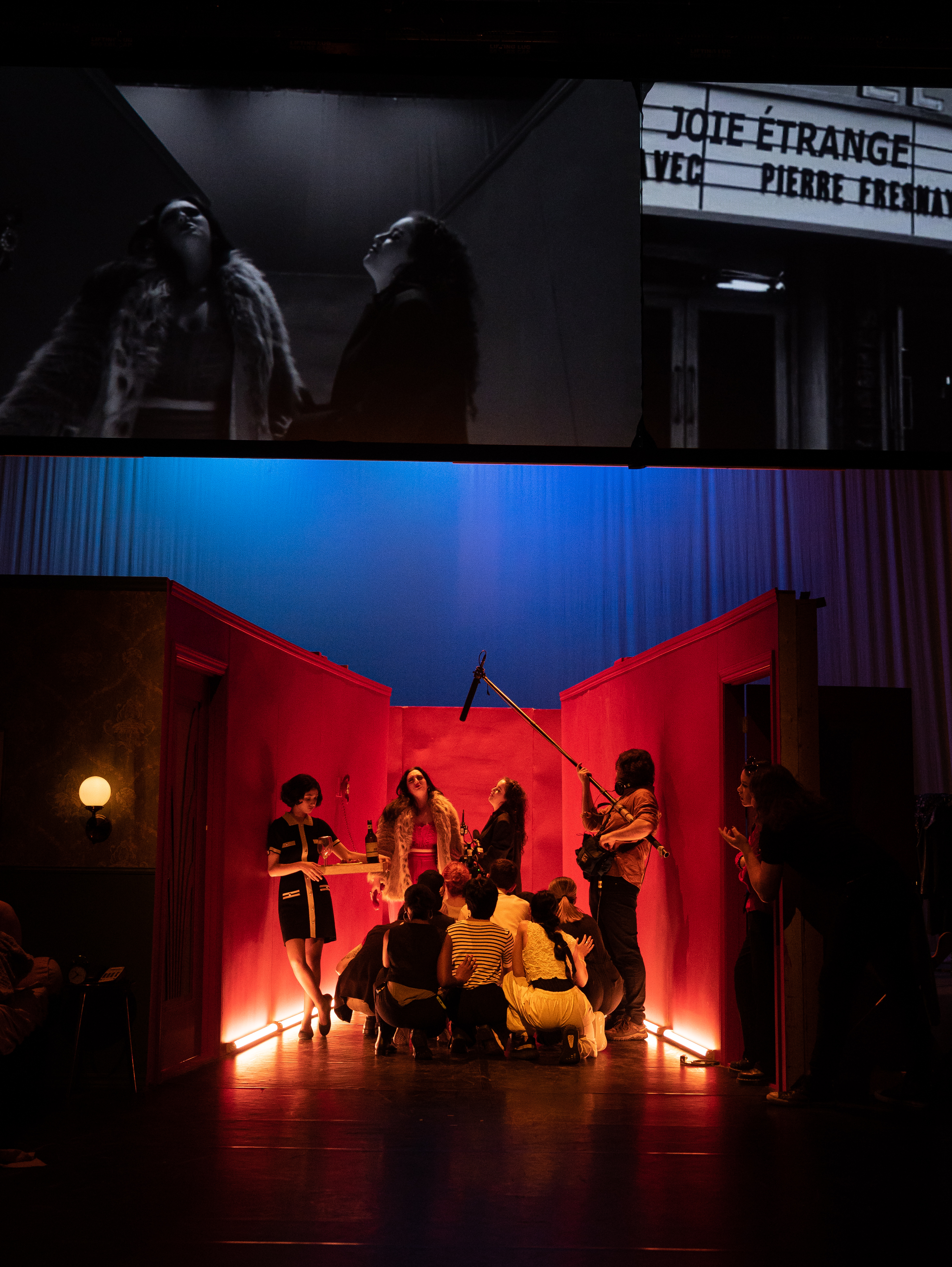
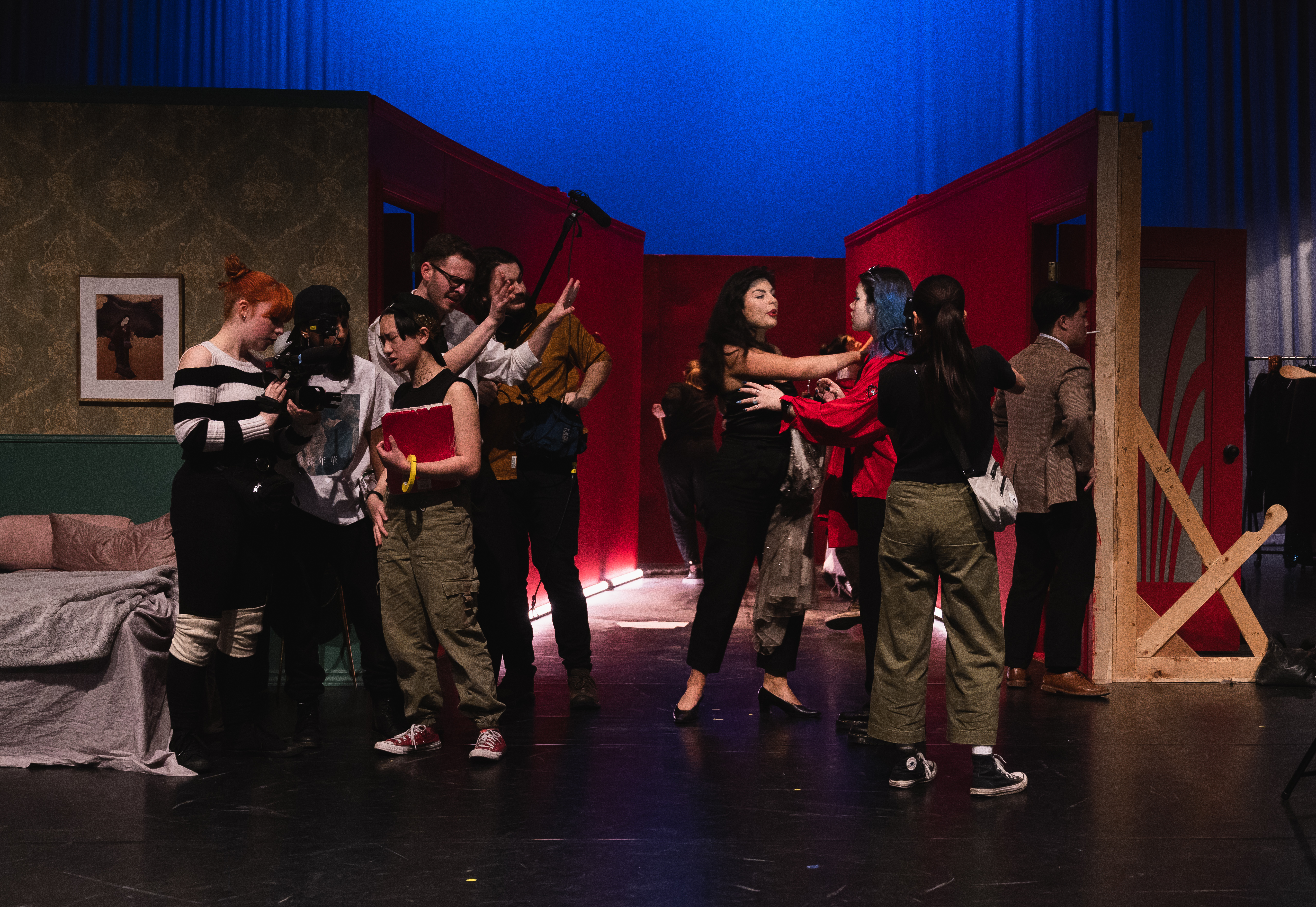
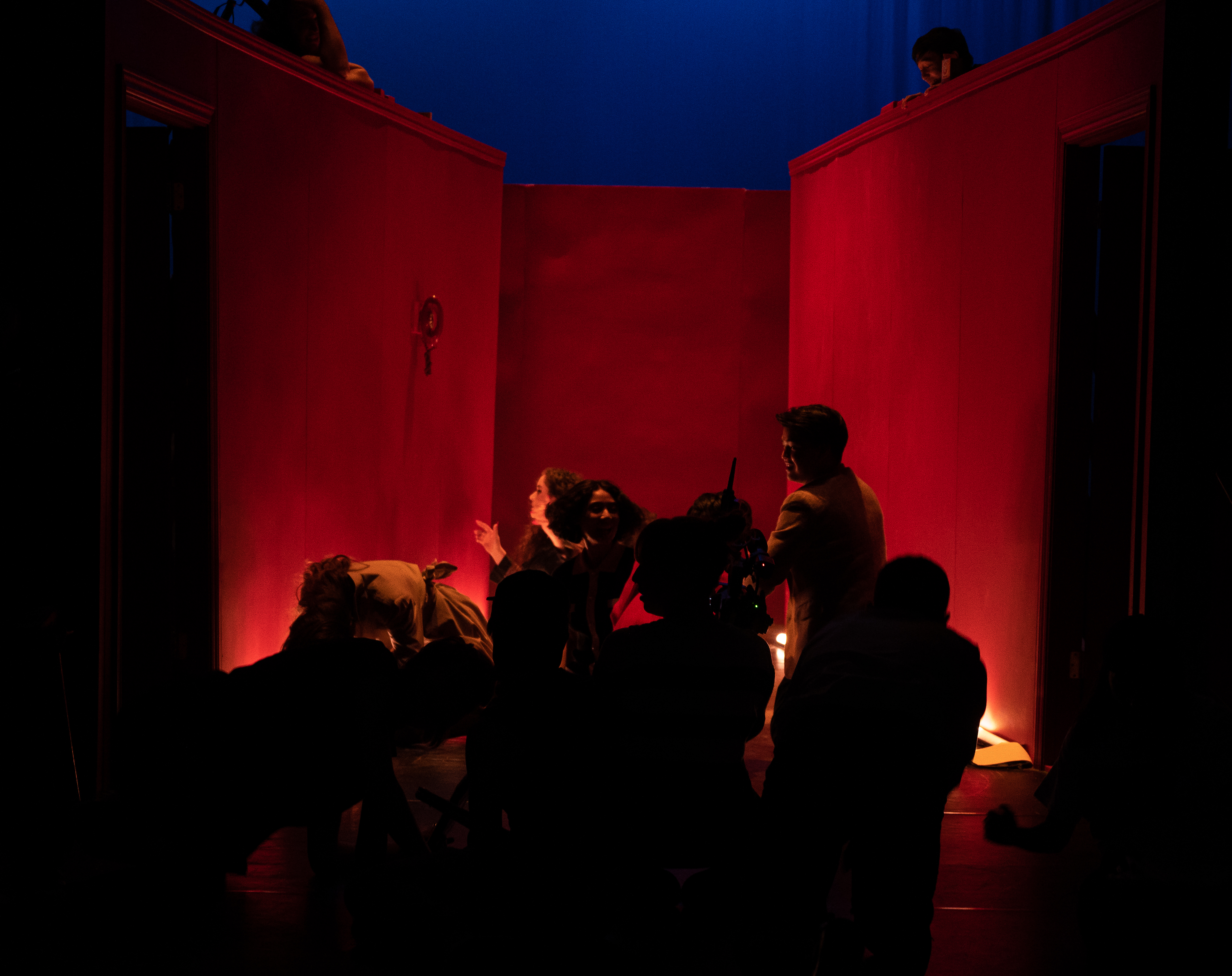
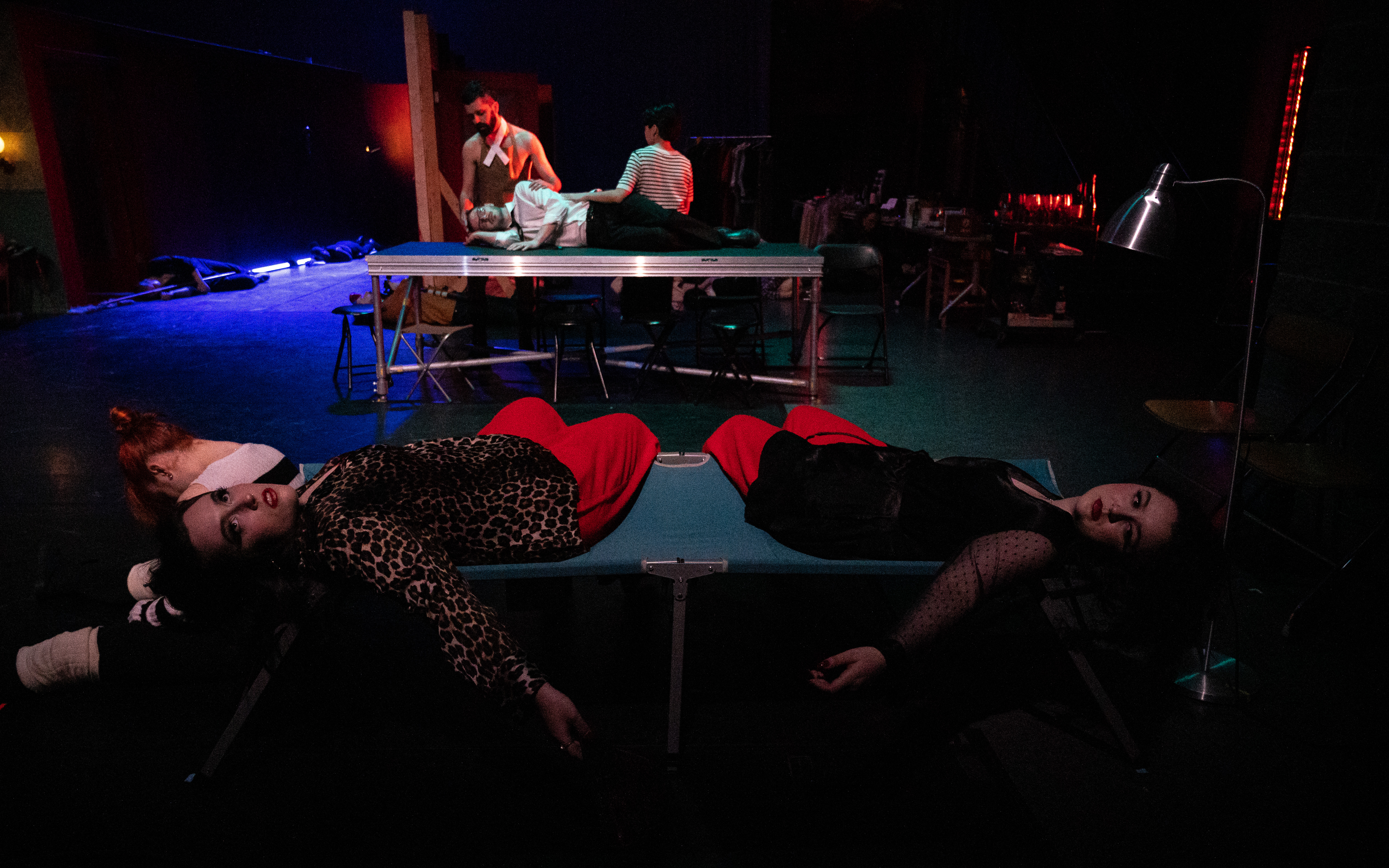
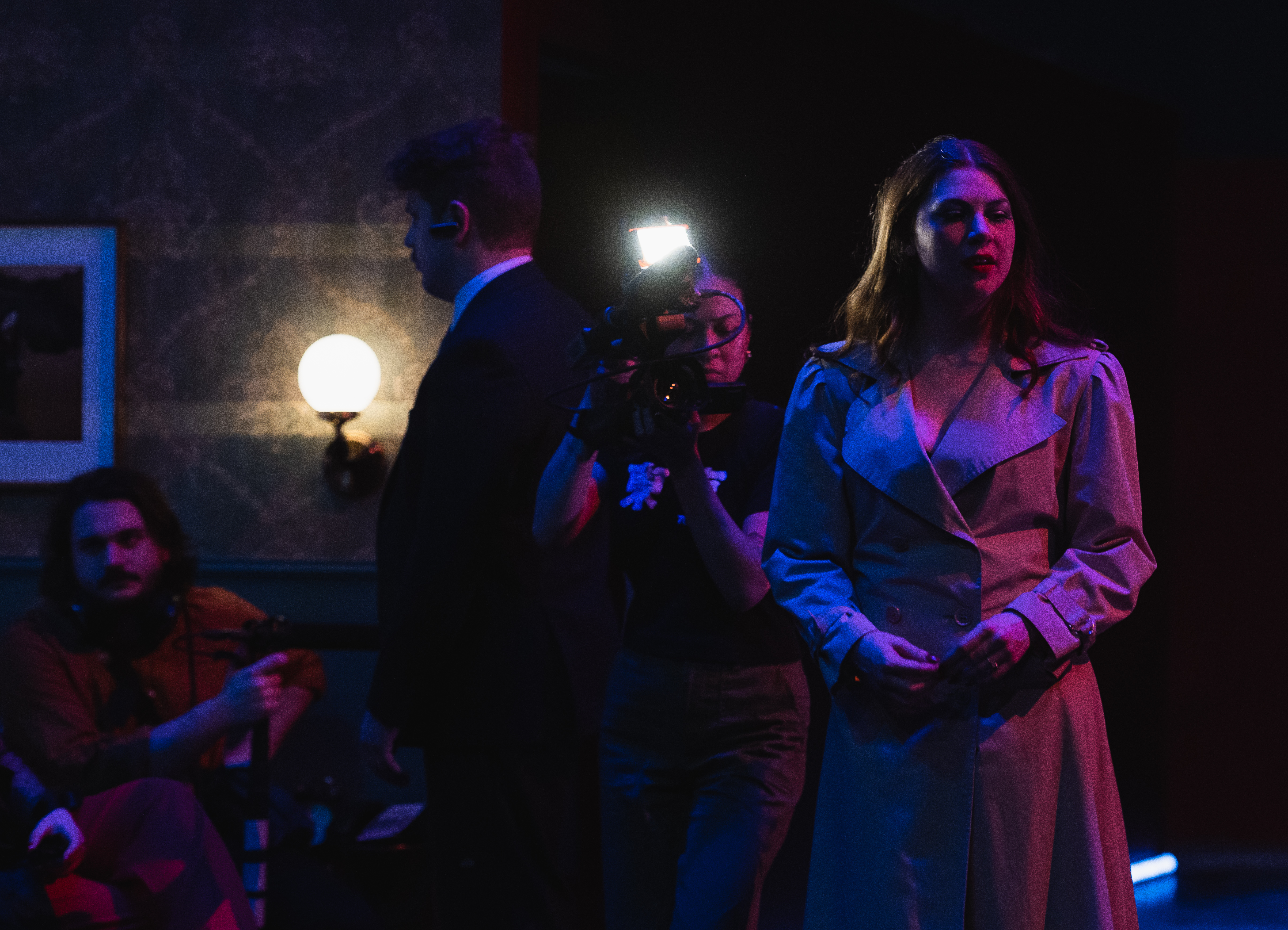
Set on an indoor film set, the story follows the director and the team in the process of making a film. Taking the audience through the landscape of the movie set, we glimpse into the spectrum of desires, following the team both on and off the screen. The film crew becomes increasingly deranged as the days go by in his search for perfection, while they desperately try to find their way out of the obsessive loop, take after take and finish the film they set out to make.
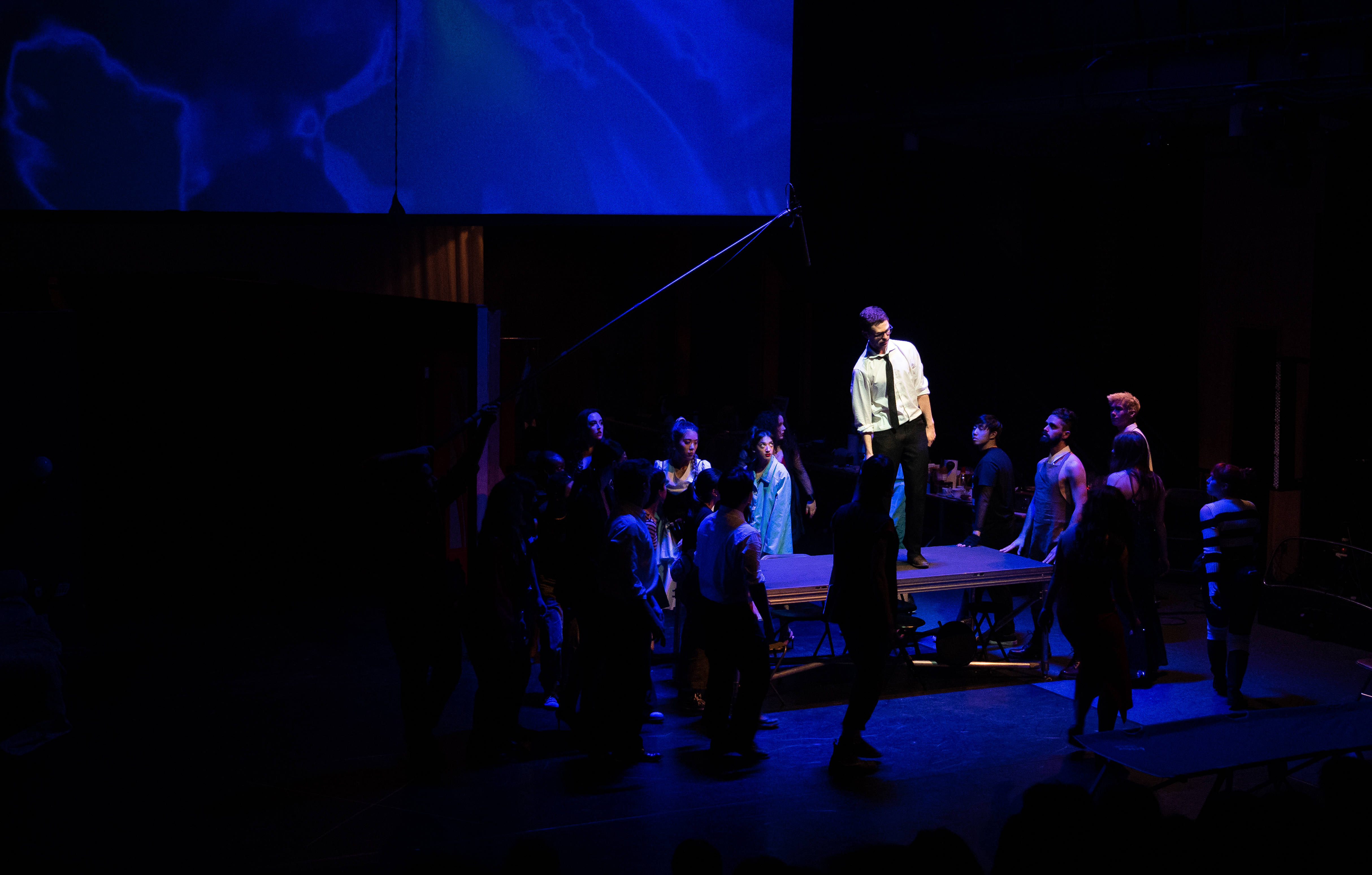
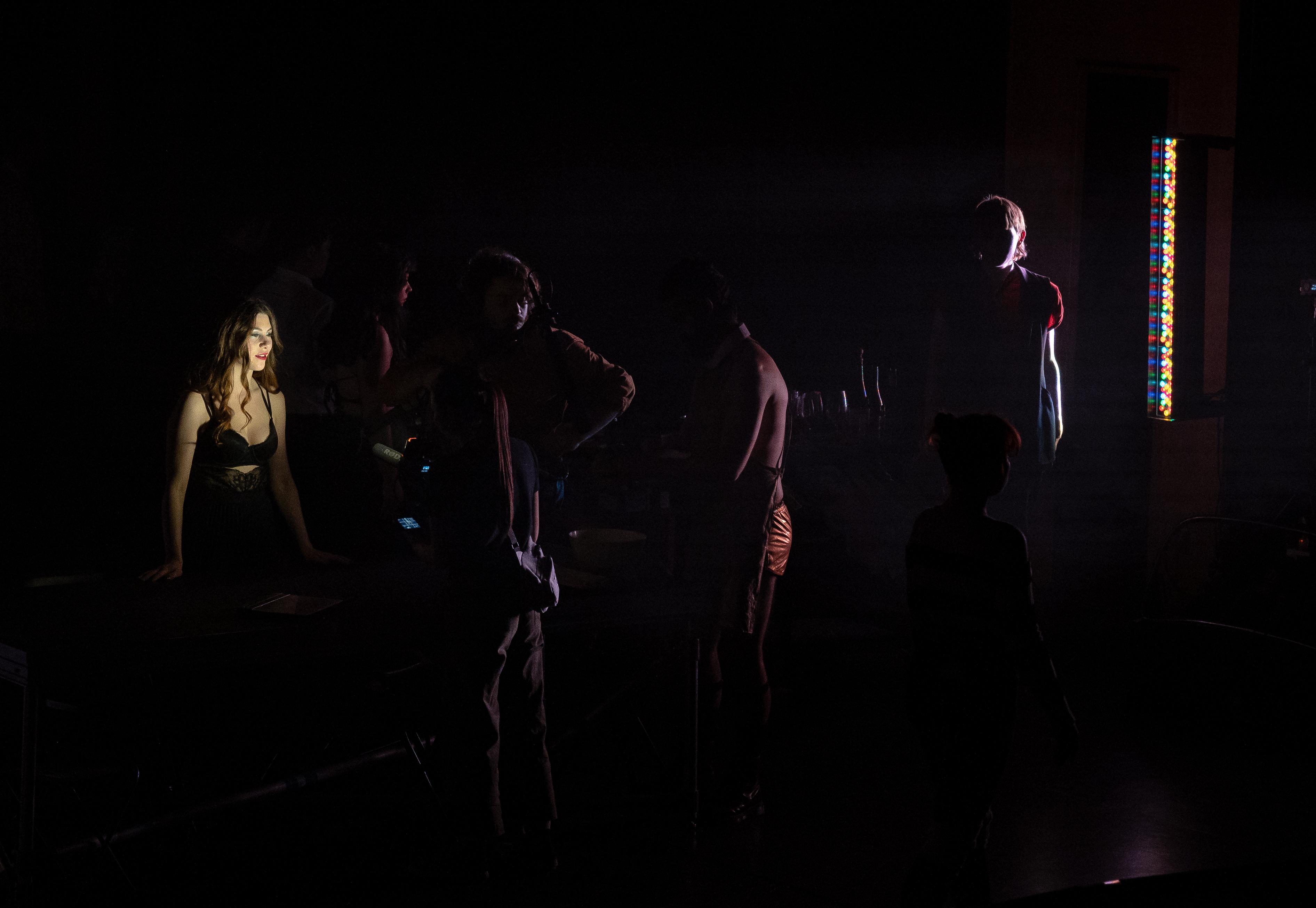
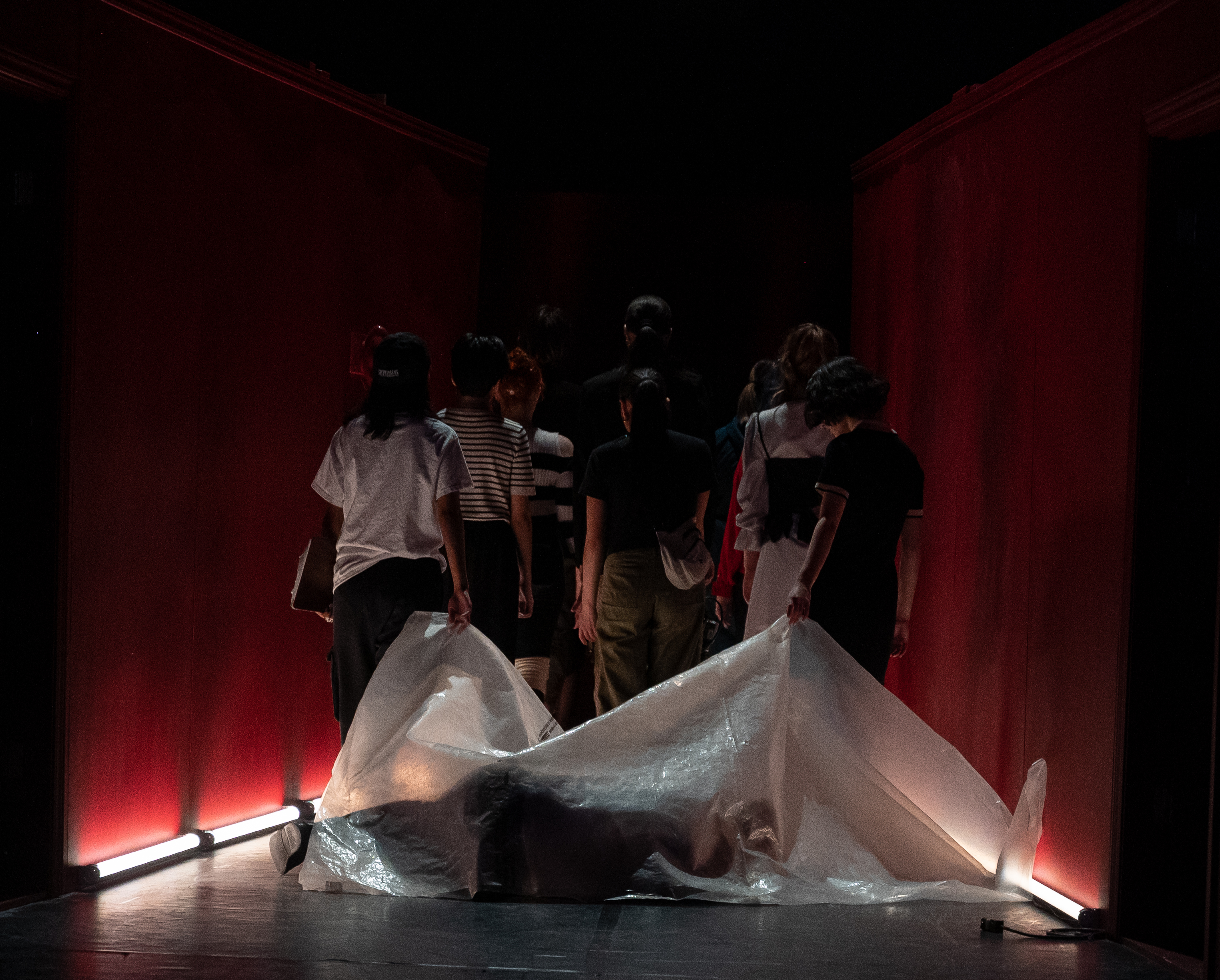
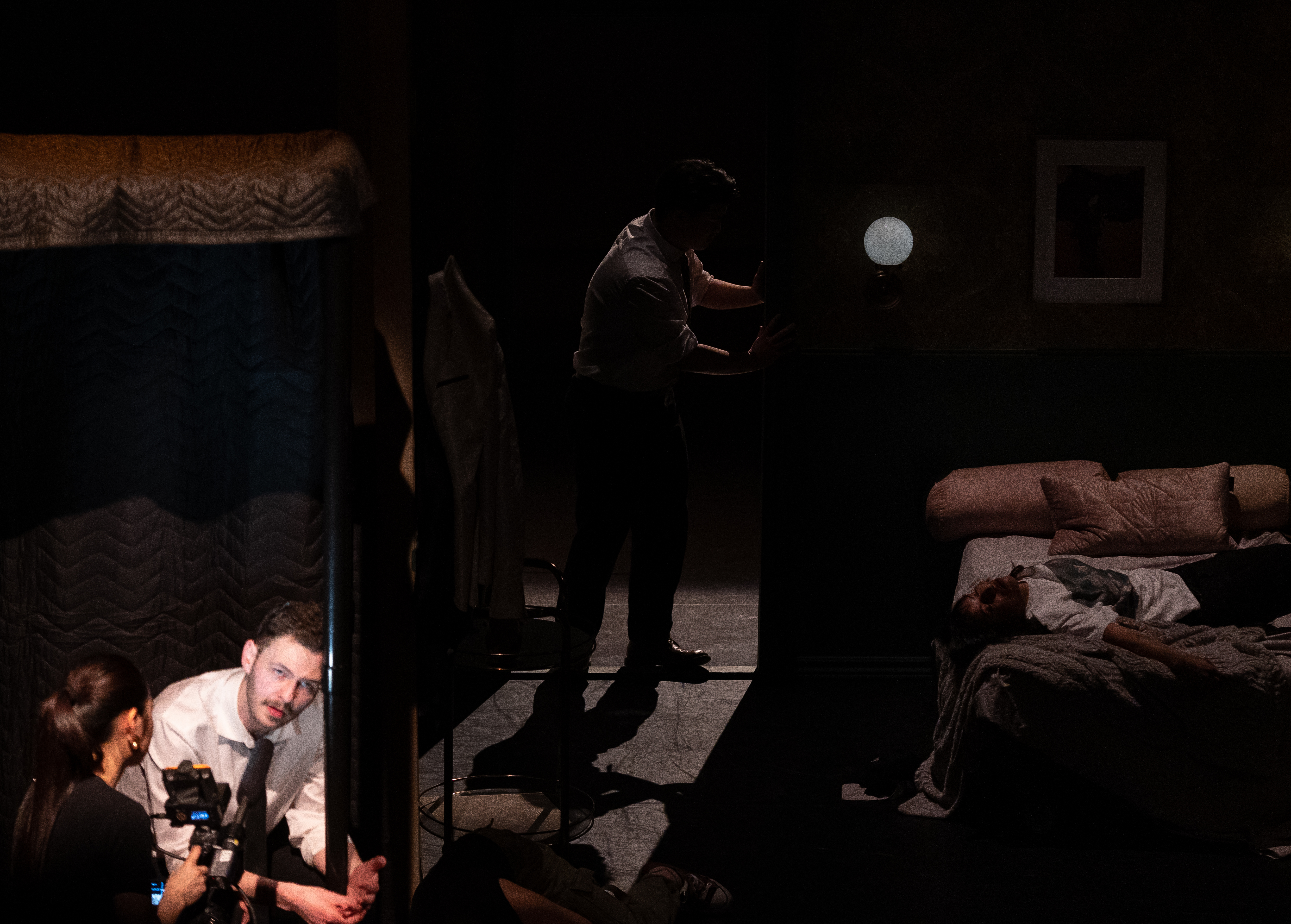
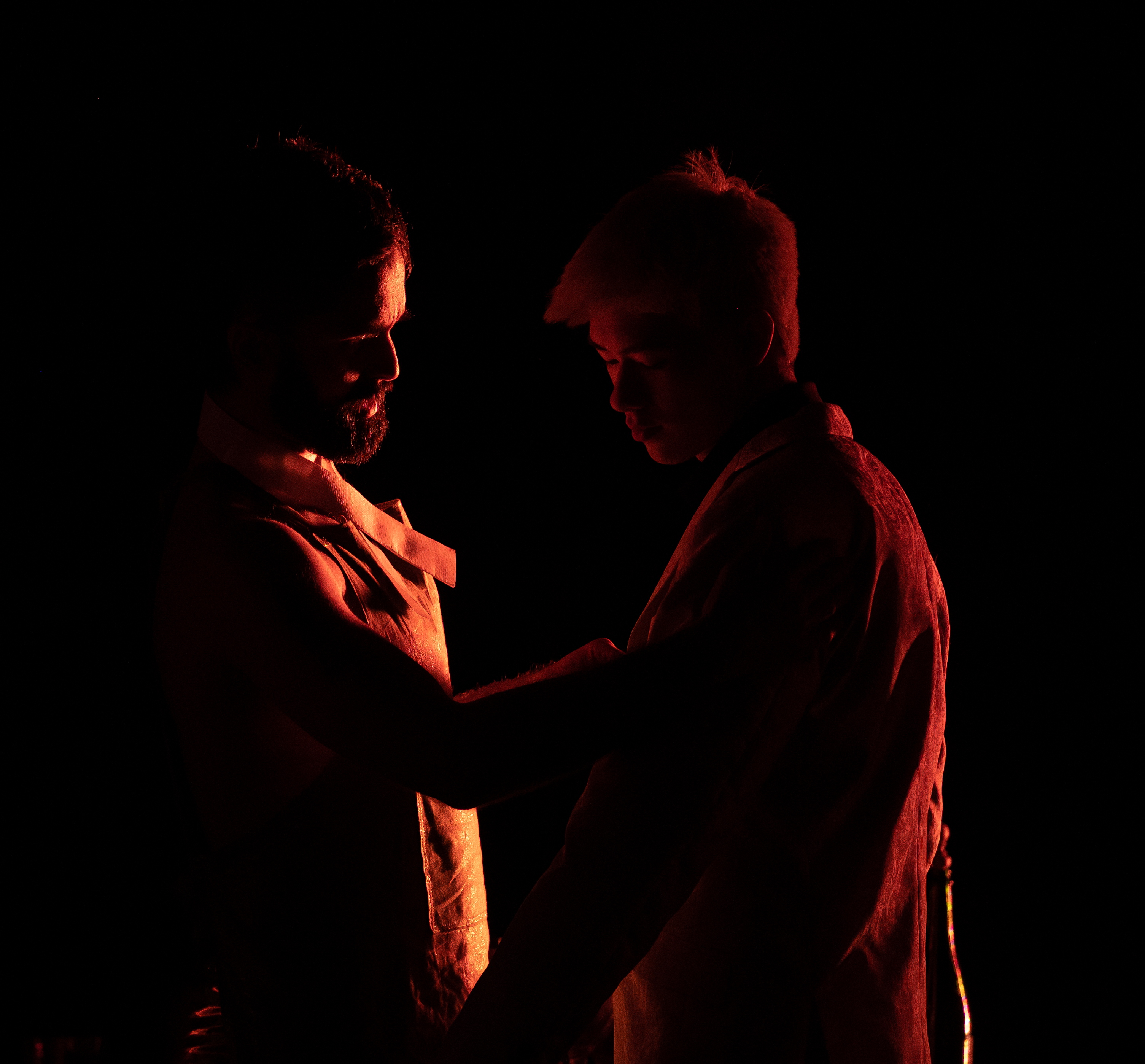
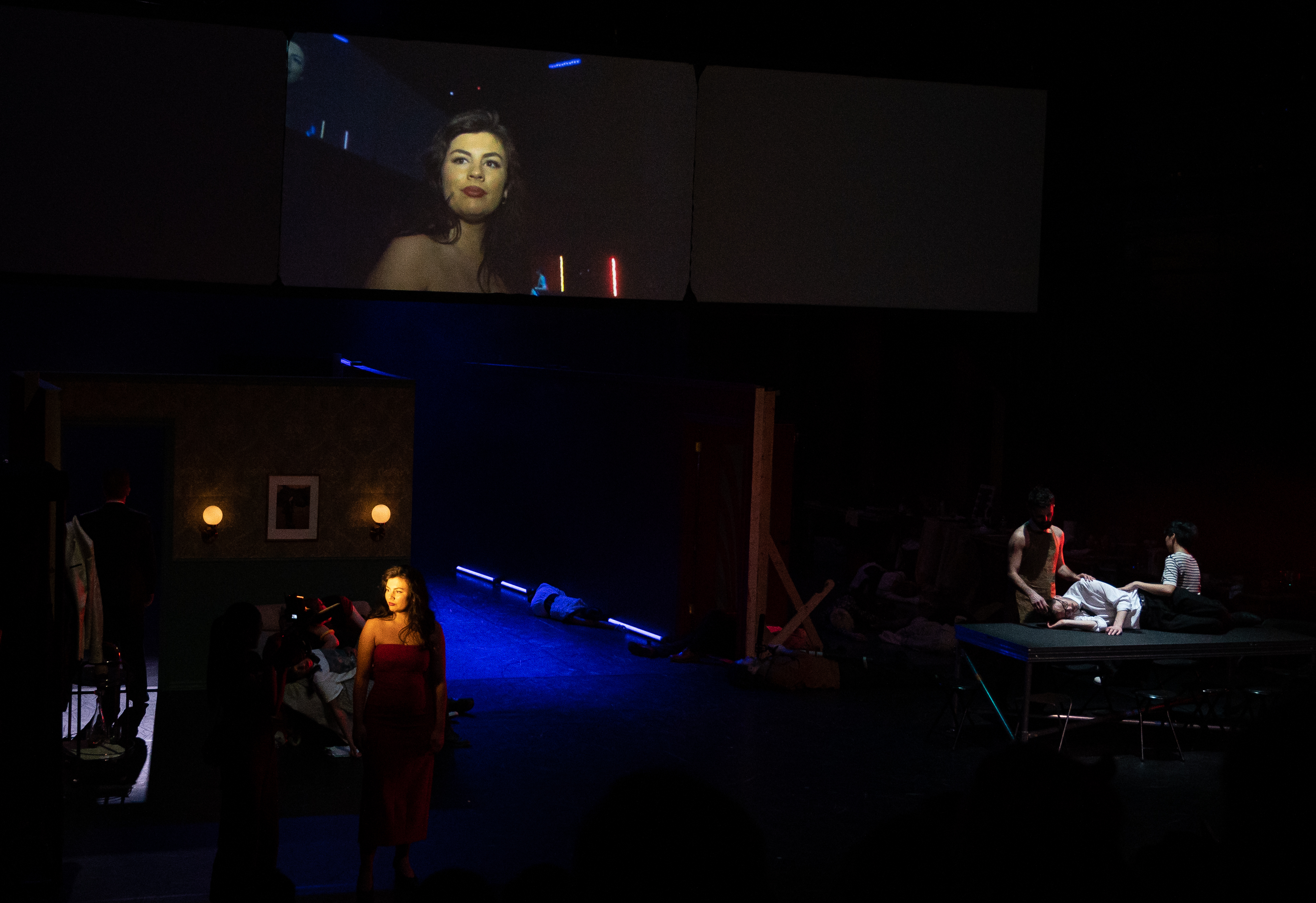
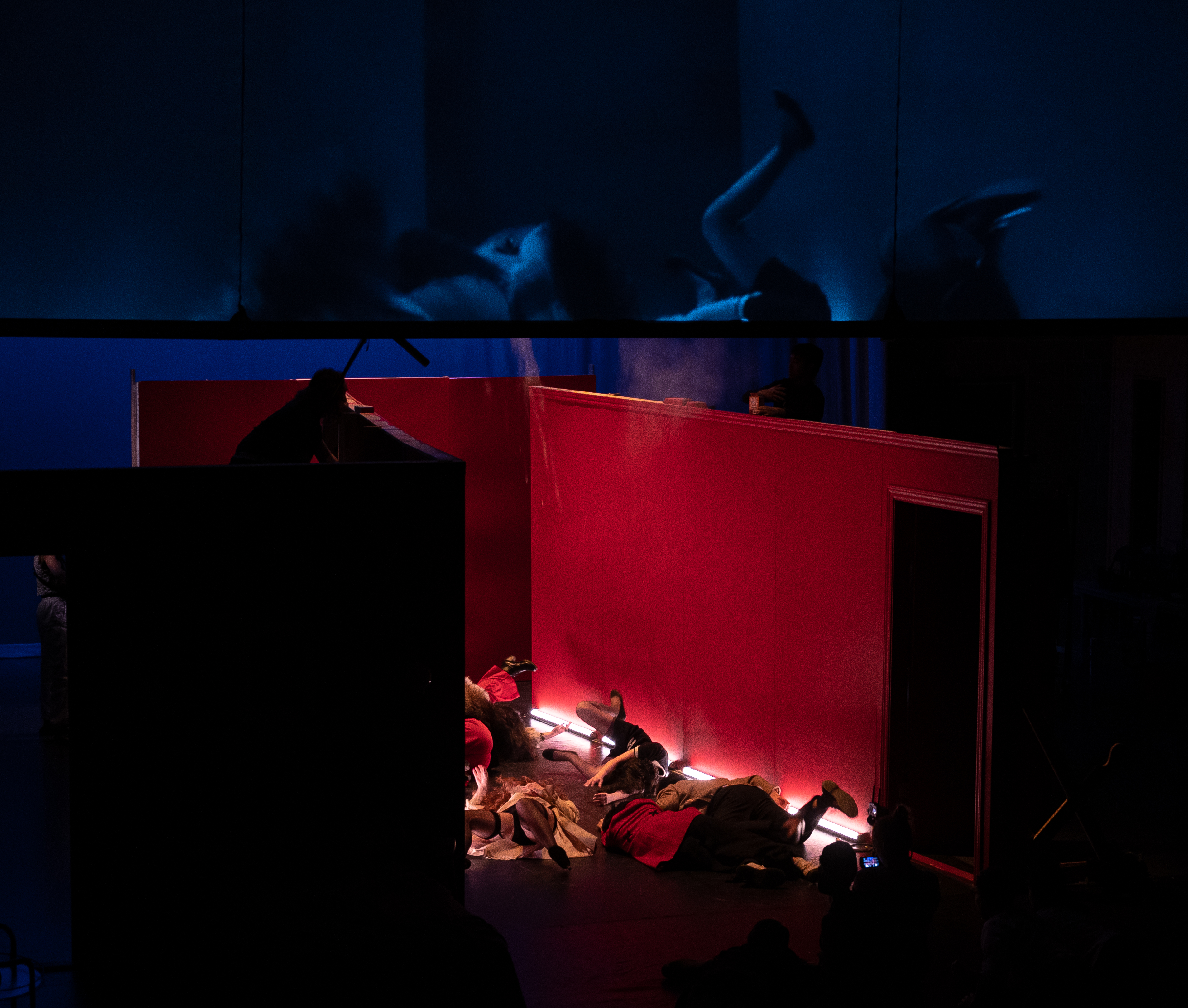
Blurring the lines between installation, film, dance and theater, and taking inspiration from Day for Night / Le Nuit American by François Truffaut and documentaries of film set environments of legendary film directors, STRANGE JOY explores the behind-the-scenes of making a film. In Truffaut’s Day for Night, the landscape of creating a film is extremely theatrical and absurd to the point that the behind-the-scenes action rivals the actual film being created. The life behind-the-scenes of a creation is rarely experienced by an audience, and this project opens up that reality to the spectator, revealing accidents, affairs, personal breakdowns, tragedy, laughter, love, rage while questioning the male gaze and the pure absurdity found in this landscape of making. STRANGE JOY presents the collision of two realities to the audience: the story that the filmmakers are portraying and the story of the artist creating the film.
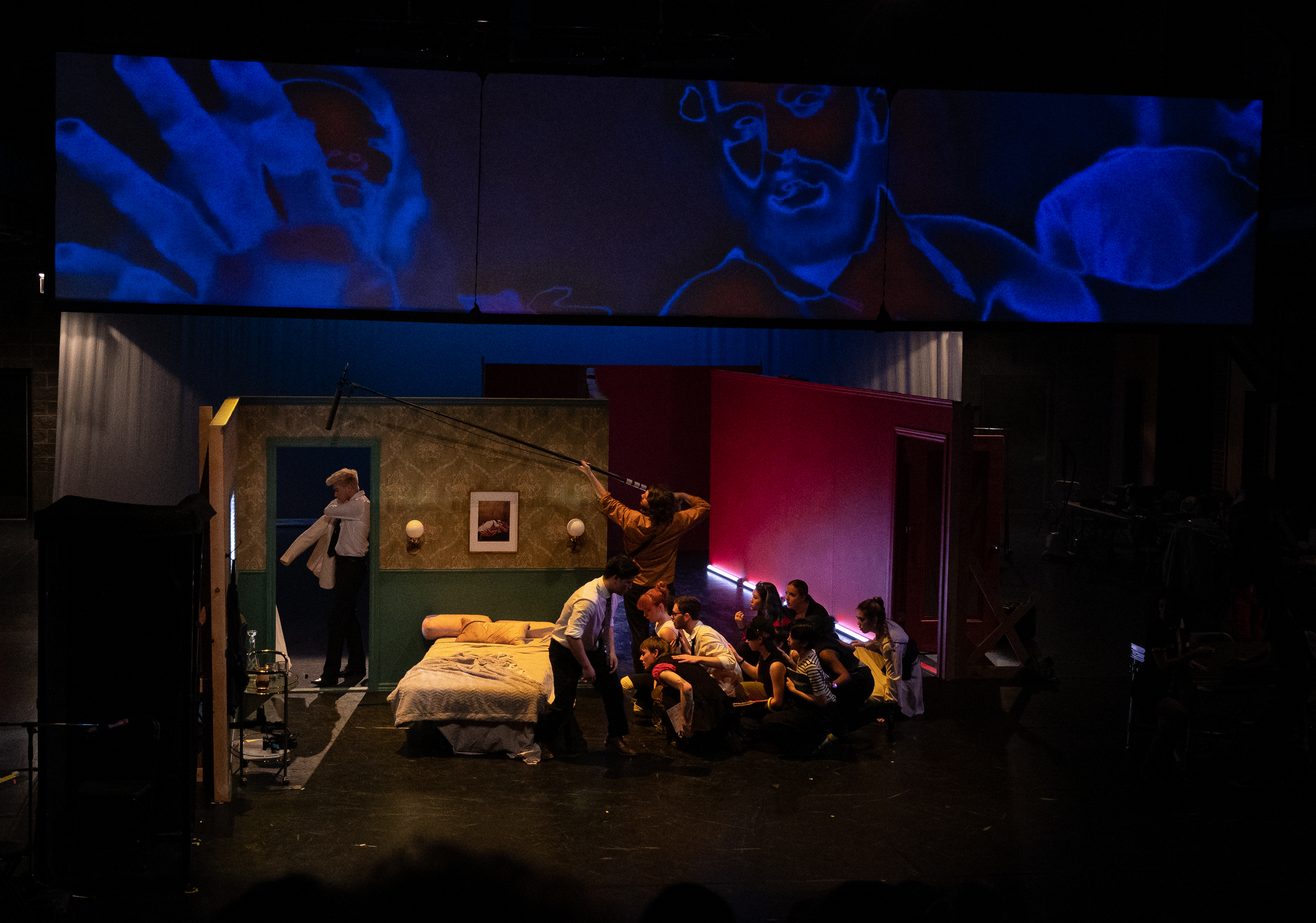
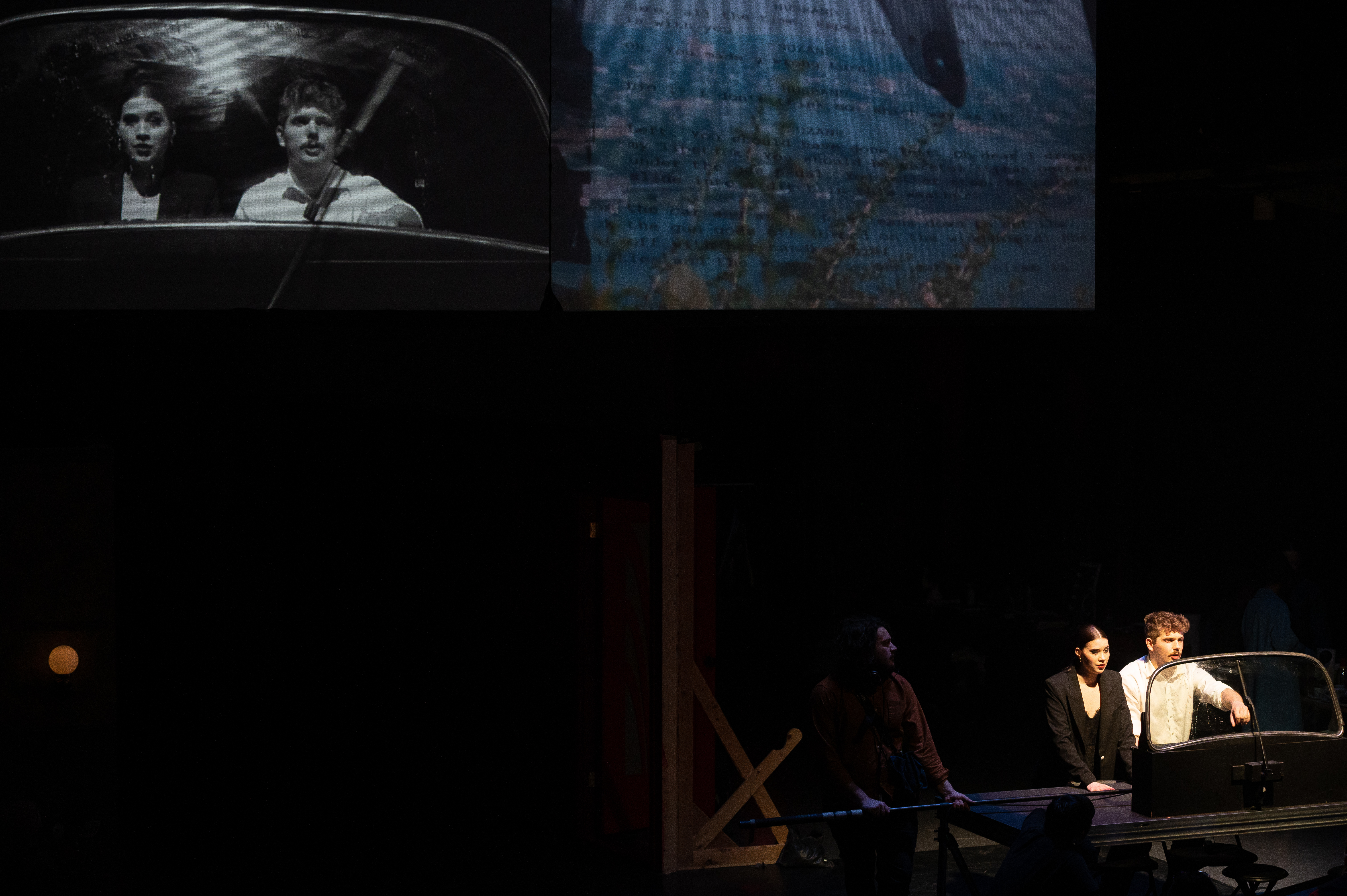
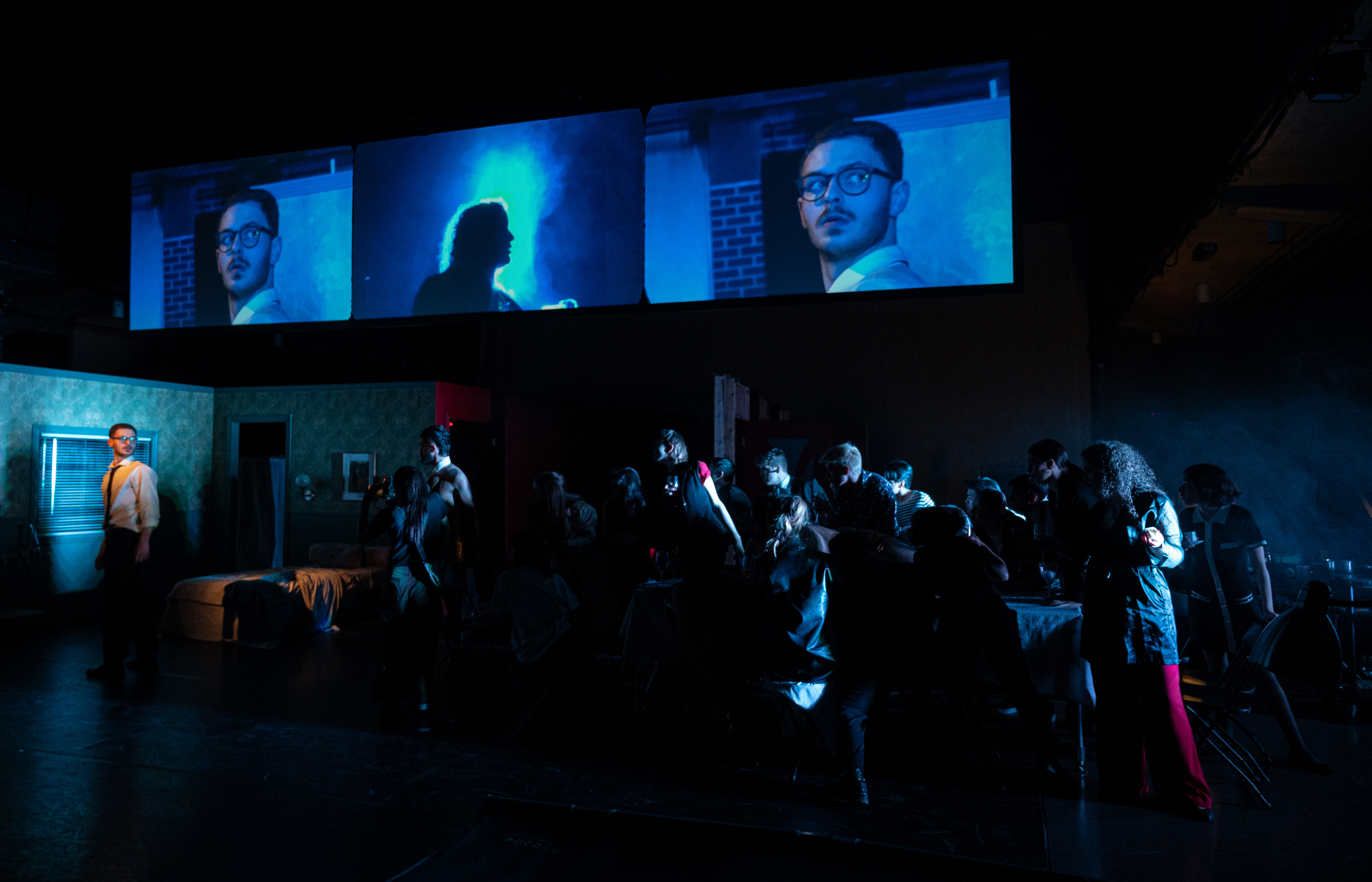
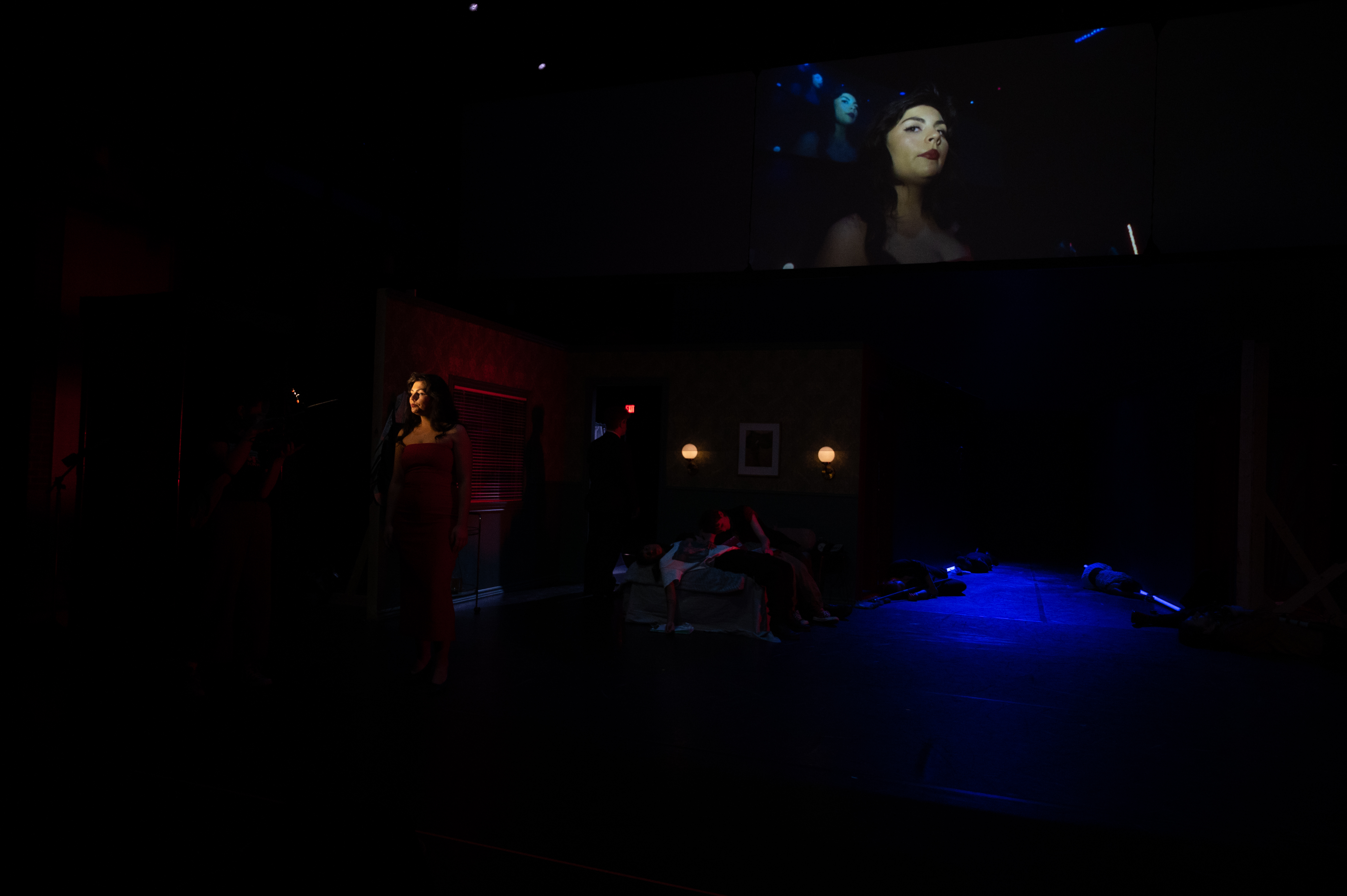
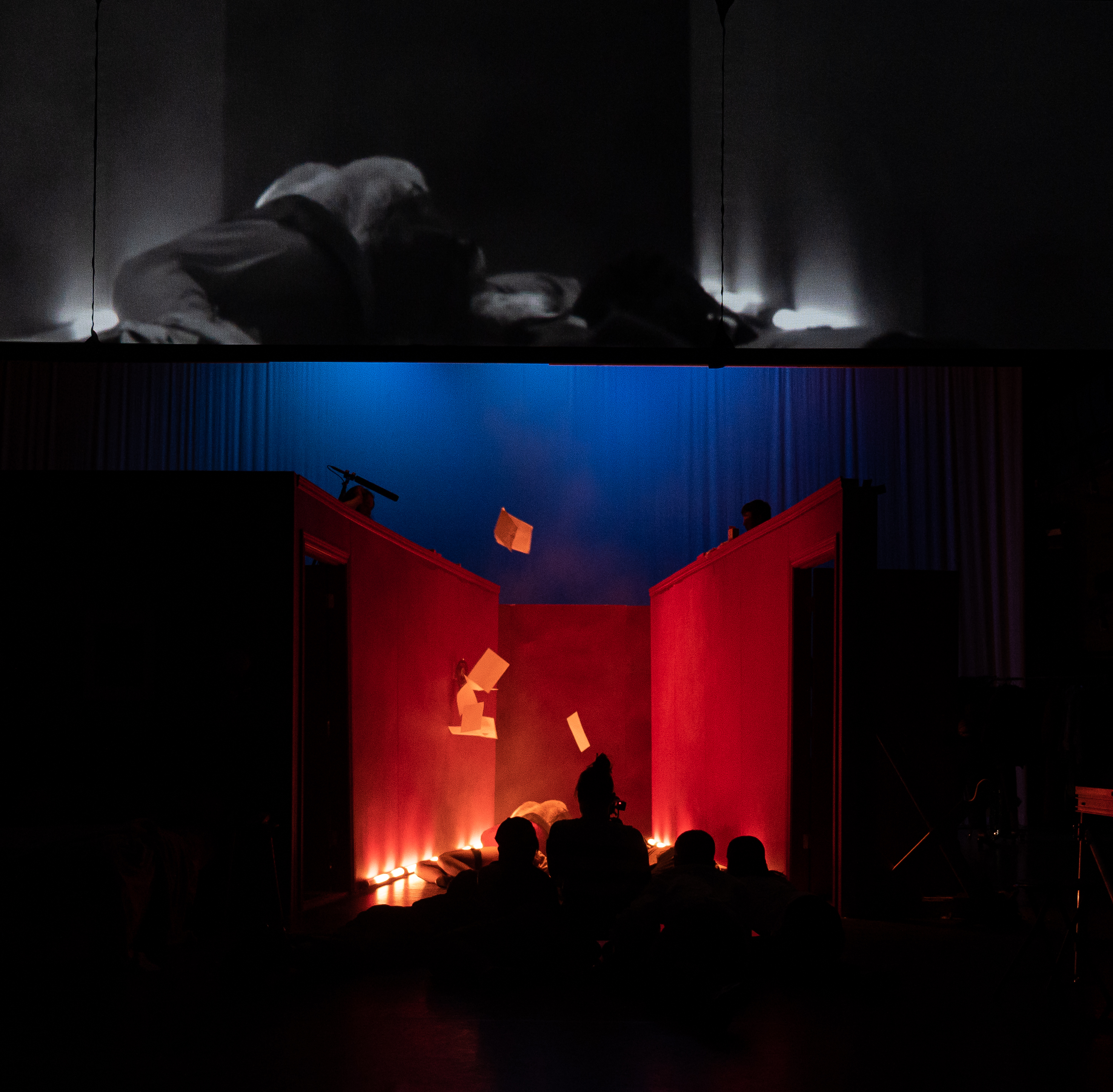
High above the film set, the audience observes the editing room, a projection of the meta-cinema, where the audience will navigate between live documentation, live filming and pre-recorded footage simultaneously as the action unfolds on stage. By actively placing the behind-the-scenes action center stage, the audience and the performer will take a deep dive into what is off and on stage, what is real and what is fabricated, ultimately questioning where lies the frame for truth? The live play between the language of cinema and the liveness of performance provokes a complex choreography and volley of ‘passing the point-of-view to the audience’ as Wim Wenders has described in a technique used in film, ‘It creates a strange distance all of sudden, turning the point-of-view from character back to the audience who become the new point-of-view.’






 Darryl R. Strohan